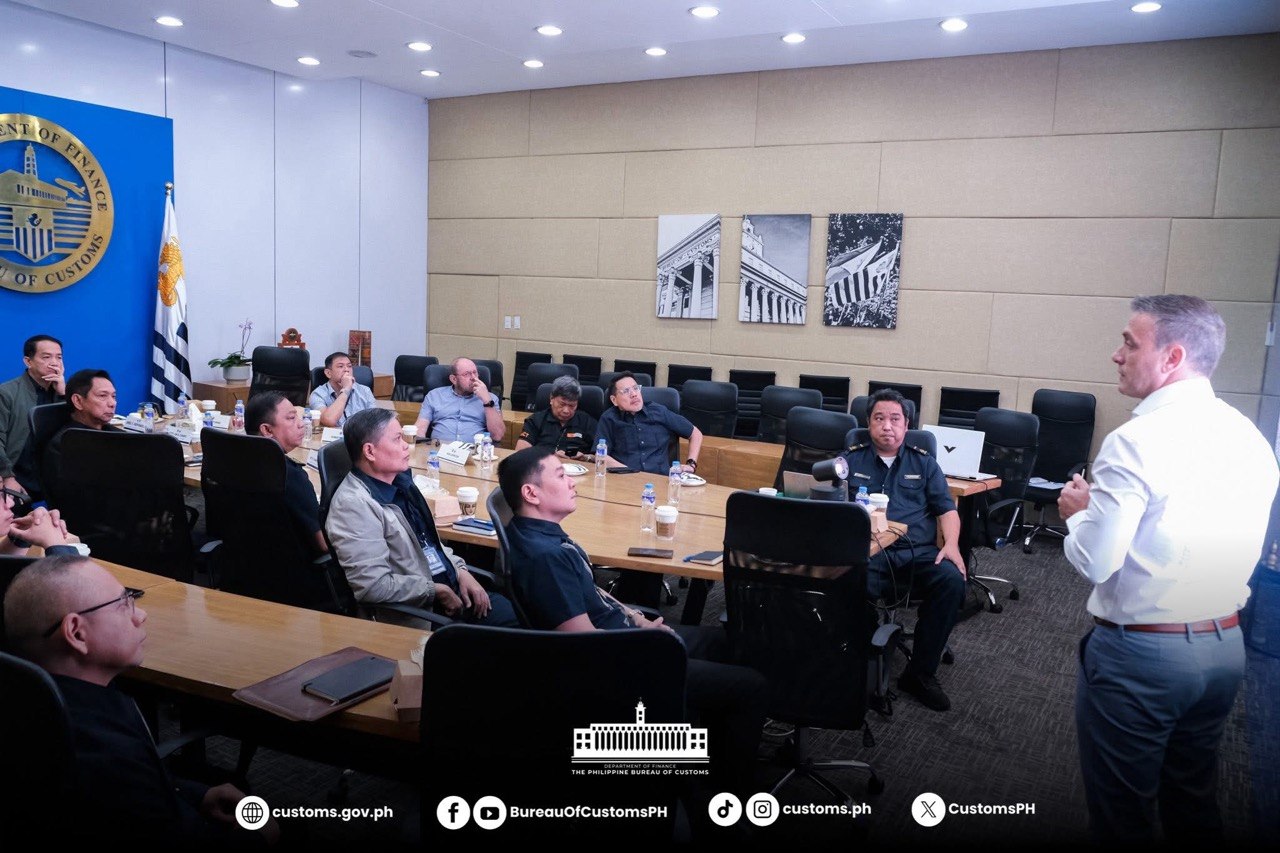
Early coordination between the Bureau of Customs (BOC) and International Container Terminal Services, Inc. (ICTSI) is expected to significantly improve trade efficiency as the South Luzon Container Terminal (SLCT) moves closer to completion, signaling a more integrated approach to port development and customs operations in the Philippines.
Led by Commissioner Ariel F. Nepomuceno, the BOC has engaged ICTSI in aligning key customs requirements with the terminal’s design phase, covering cargo processing, inspection systems, monitoring protocols, and enforcement infrastructure. The objective is to embed customs functionality into the port from the ground up rather than retrofitting systems after construction.
Officials said the proactive coordination is aimed at preventing the familiar pain points that often plague new logistics hubs, including clearance bottlenecks, fragmented inspection workflows, and delays caused by mismatched operational systems.
By integrating customs processes early, authorities expect faster cargo clearance, improved visibility of shipments, and stronger border security. The approach is also seen as a cost-saving measure, reducing the need for later infrastructure adjustments that can disrupt operations and inflate logistics expenses.
For the business sector, the changes could translate into shorter turnaround times, more predictable supply chains, and lower transport costs, all of which are critical as the Philippines works to enhance its competitiveness as a regional trade and logistics hub.
ICTSI emphasized that the SLCT is designed not only to expand capacity but also to improve operational efficiency across Southern Luzon’s growing industrial corridor. Once operational, the terminal is expected to help decongest existing ports and streamline the movement of goods between production zones and export gateways.
The South Luzon Container Terminal is a US$800-million project under development in Bauan, Batangas. It is targeted for completion within the next two years and is positioned to become the country’s second-largest container gateway by 2028.
Analytically, the project reflects a broader shift in Philippine infrastructure planning where logistics efficiency is increasingly being designed into systems at the planning stage rather than addressed after operations begin. This alignment between customs and port operators is seen as a key step in reducing friction costs that have long weighed on trade performance.