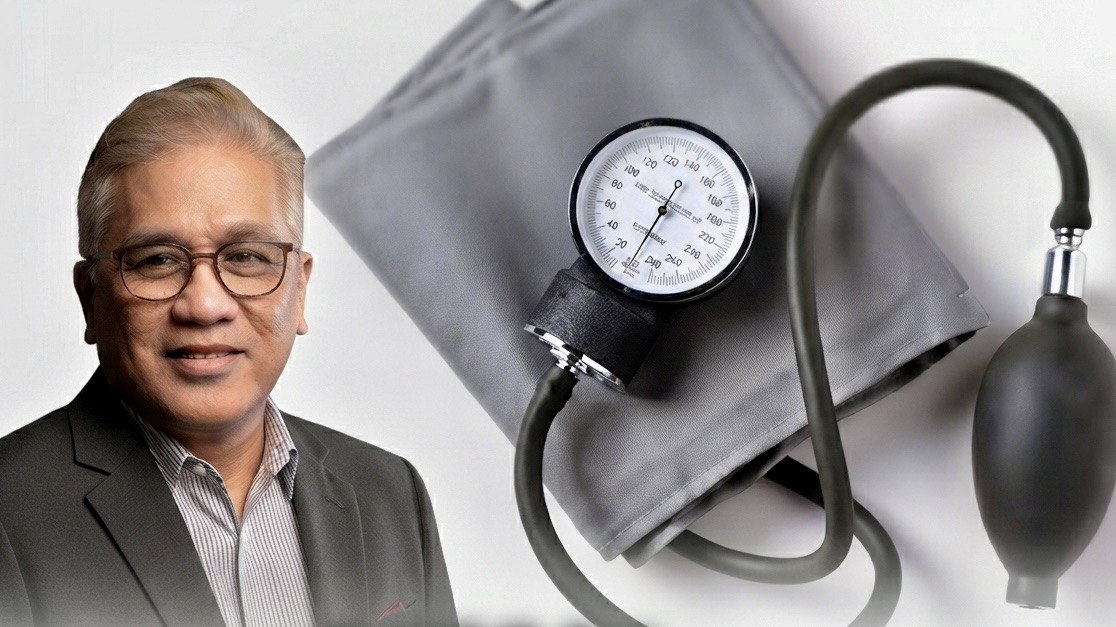
High blood pressure has long been treated with two familiar prescriptions: healthier living and daily medication. For millions of people, that combination works. But for some patients, blood pressure remains stubbornly high no matter how faithfully they swallow their pills or watch what they eat.
That is where a potential third line of defense is beginning to attract attention.
Cardiologist Dr. Jose Nicholas M. Cruz said patients with resistant hypertension continue to have elevated blood pressure despite adopting healthy habits and taking three or more antihypertensive medications. These patients face significantly higher risks of stroke, heart attack, heart failure, kidney disease and other life-threatening cardiovascular complications.
“The goal is not simply to lower a number on the blood pressure monitor,” Cruz explained during a blood pressure awareness discussion. “It is to reduce the long-term damage that uncontrolled hypertension can inflict on the heart, brain and kidneys.”
For carefully selected patients, a minimally invasive procedure called renal denervation (RDN) is emerging as another treatment option. Rather than adding another pill, the catheter-based procedure targets the overactive nerves surrounding the renal arteries that can contribute to persistently high blood pressure. By calming those nerve signals, doctors may be able to help bring blood pressure under better control.
The procedure has gained increasing recognition in international medical guidelines, but Cruz emphasized that it is not a shortcut and certainly not a replacement for the basics.
Healthy eating, regular exercise, limiting salt intake, taking medications as prescribed, getting six to eight hours of quality sleep and managing stress remain the first and most important weapons against hypertension.
Just as important is knowing your numbers.
Cruz encourages patients to follow the Philippine Society of Hypertension’s “7-2-2” method: measure blood pressure over seven consecutive days, taking two readings every morning and two every evening. The approach gives physicians a clearer picture than a single clinic reading and helps distinguish consistently elevated blood pressure from occasional spikes.
If blood pressure remains above 130/80 despite these measures, it may be time for a deeper conversation with a physician. For patients living with resistant hypertension, the future of treatment may no longer be just about adding another medication. Sometimes, the next breakthrough lies in treating the problem at its source.