The Philippines has a growth problem, and it has little to do with the economy.
Stunting among Filipino children is rising, putting nutrition back on the national agenda and prompting Nestlé Philippines to expand efforts that combine fortified products, school-based education, research, and partnerships.
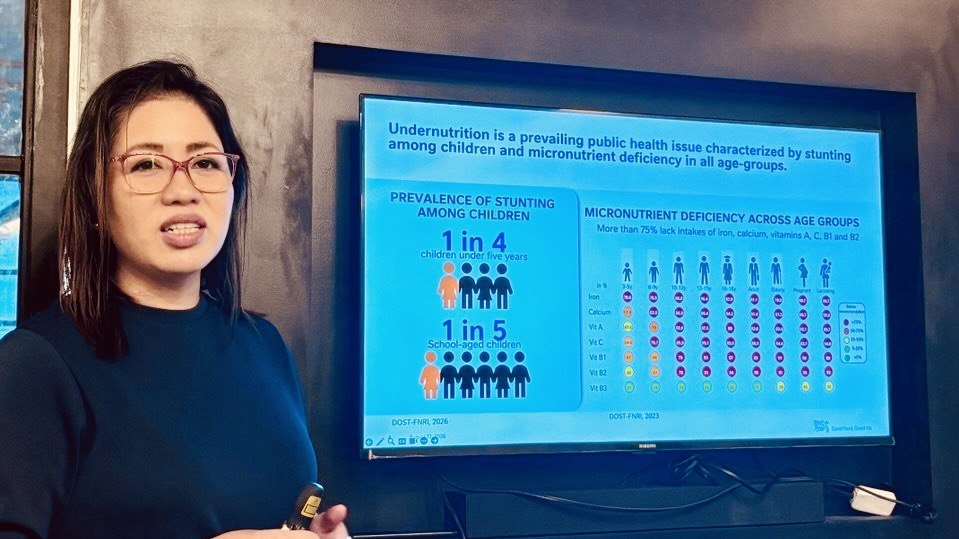
The 2025 Updating Survey of the Department of Science and Technology-Food and Nutrition Research Institute found that stunting affected 25.3 percent, or about one in four, Filipino children aged 0 to 5, up from 23.6 percent in 2023. Among children aged 5 to 10, the prevalence increased to 18.9 percent from 17.9 percent.
The numbers are more than a measurement of height. Nestlé Philippines Nutrition Advocacy Lead Ivy Sicat said chronic undernutrition can affect brain development, learning, productivity, and a child’s long-term opportunities.
“This is not just being short for age,” Sicat said, explaining that when children do not get enough nutrients, the body prioritizes basic survival, potentially leaving less available for brain development and other functions.
That makes nutrition a particularly stubborn business and social challenge. Food companies can sell more products, but the larger question is whether those products help close nutritional gaps.
Nestlé said it provided 25 billion fortified servings in the Philippines in 2025, with products containing nutrients such as iron, zinc, calcium, vitamin D, iodine, and other vitamins and minerals.
The company is also taking its nutrition message into classrooms through the Nestlé Wellness Campus, launched in 2013 with the Department of Education. The program now reaches 12 million students from Grades 1 to 10 across 26,000 public schools in nine regions.
Program Lead Charisma Sy said the initiative aims to build healthy habits early, with lessons covering nutrition, physical activity, and proper waste management.
The strategy reflects a broader shift from simply putting nutrients into food to teaching people how nutrition works. Nestlé said its programs are guided by scientific research and local nutrition data, with government agencies, schools, and research institutions involved in developing interventions suited to Filipino needs.
Sicat said the issue represents both a responsibility and an opportunity for Nestlé as a nutrition, health, and wellness company.
“We see this both as a responsibility and also as an opportunity for us to give back to the people who have been loyal to us,” she said.
In the fight against malnutrition, the challenge is measured in centimeters, but the stakes are much bigger. A child’s height may be the visible symptom. What matters is everything that happens behind it.