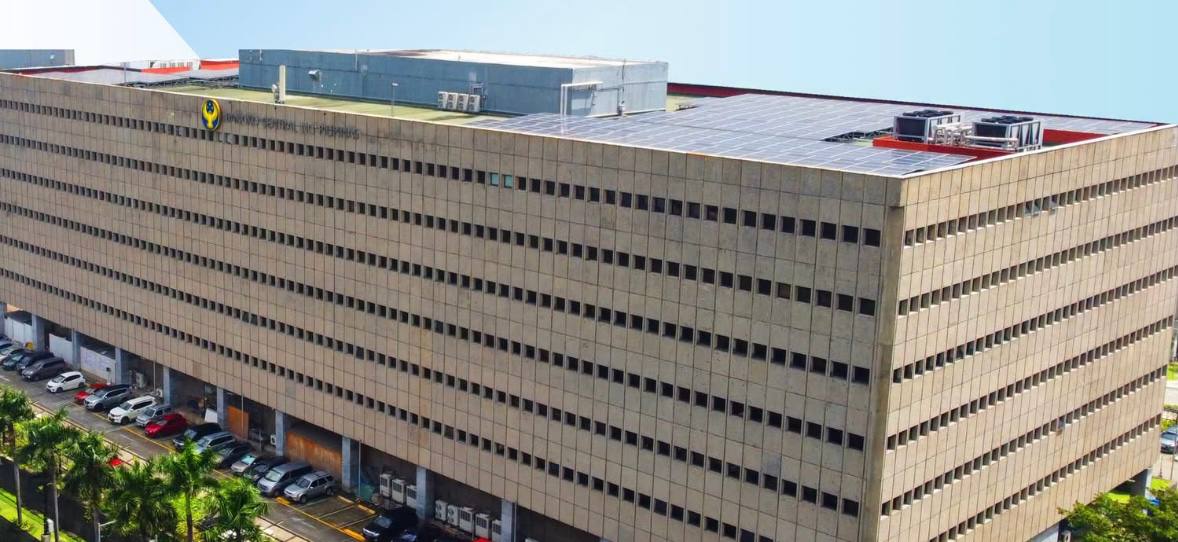
The Bangko Sentral ng Pilipinas expects headline inflation for August 2026 to settle between 5.5 and 6.5 percent, outlining a persistent trajectory above official targets despite recent monetary tightening. According to the central bank, upward pressures on consumer prices during the month are driven primarily by higher costs for rice, vegetables, fruits, and fish, which have been exacerbated by unfavorable weather conditions alongside elevated domestic fuel prices. However, these cost pressures are anticipated to be partially offset by declining meat prices, lower electricity rates, and a strengthening Philippine peso.
The latest forecast comes shortly after the central bank raised its benchmark interest rate by 25 basis points to 5.0 percent during its August 2026 policy review. The move marked the BSP’s third consecutive rate hike in an ongoing effort to curb entrenched inflationary pressures, while the overnight deposit and lending facility rates were adjusted upward to 4.5 percent and 5.5 percent. Although headline inflation slowed to 6.2 percent in July from 6.4 percent in June, and core inflation moderated to 4.2 percent, the central bank maintains that baseline price growth will likely remain above its 4.0 percent tolerance ceiling throughout 2026 and 2027 before returning toward the 3.0 percent target by 2028.
Monetary authorities emphasized that they will stay vigilant and data-dependent, closely monitoring key indicators alongside domestic growth trends. Beyond immediate commodity spikes, the BSP highlighted broader upside risks, including severe El Niño impacts on agricultural costs, volatile global energy markets, potential wage adjustments, and shifting geopolitical tensions in the Middle East. While domestic economic growth saw a weak performance in the first half of the year, monetary policymakers noted that underlying fundamentals remain intact, with anticipated fiscal support expected to reinvigorate economic activity through the second half.