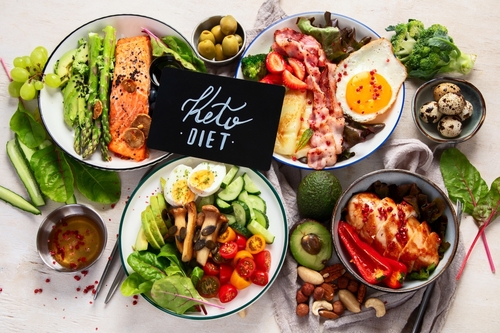
A diet that nearly banishes carbohydrates may have more going for it than bacon’s loyal fan club.
A clinical trial published in Cell Metabolism found that a ketogenic diet produced stronger improvements in liver fat, insulin levels, and prediabetes than Mediterranean and low-fat, plant-forward diets among people with obesity.
The study, led by researchers at Washington University School of Medicine in St. Louis, involved 42 participants with obesity, prediabetes, and fatty liver disease. Researchers assigned them to one of three diets and provided all their food for four to five months, while tailoring calorie intake so participants lost about 10 percent of their body weight.
The diets differed sharply.
The ketogenic diet supplied just 4 percent of calories from carbohydrates and 73 percent from fat. The Mediterranean diet provided 50 percent of calories from carbohydrates and 35 percent from fat, while the plant-forward diet derived 70 percent of calories from carbohydrates and 15 percent from fat.
All three diets delivered the expected prize of weight loss and improved insulin sensitivity. But keto appeared to bring an extra metabolic punch.
Liver fat fell by an average of 67 percent among participants on the ketogenic diet, compared with 45 percent in both the Mediterranean and plant-forward groups. The keto group also recorded the largest increases in glucagon, a hormone involved in mobilizing liver fat, and the biggest reductions in blood insulin levels.
The most striking result came in blood sugar. After the weight-loss period, about half of those on the ketogenic diet no longer met the criteria for prediabetes. That compared with 29 percent for the Mediterranean diet and just 7 percent for the plant-forward diet.
Even more intriguing, researchers said the high-fat keto diet did not produce the expected increase in blood fats or cholesterol.
The findings do not crown keto the universal winner. The trial was small, lasted only a few months, and participants received tightly controlled meals, hardly the conditions of an ordinary Tuesday night.
Still, the study suggests that when it comes to obesity, what fills the calorie budget may matter almost as much as how much is in it.