Philippine exporters are being urged to make fuller use of preferential access to the United Kingdom, while the government pursues free trade agreements that could secure longer-term market access as existing trade privileges eventually expire.
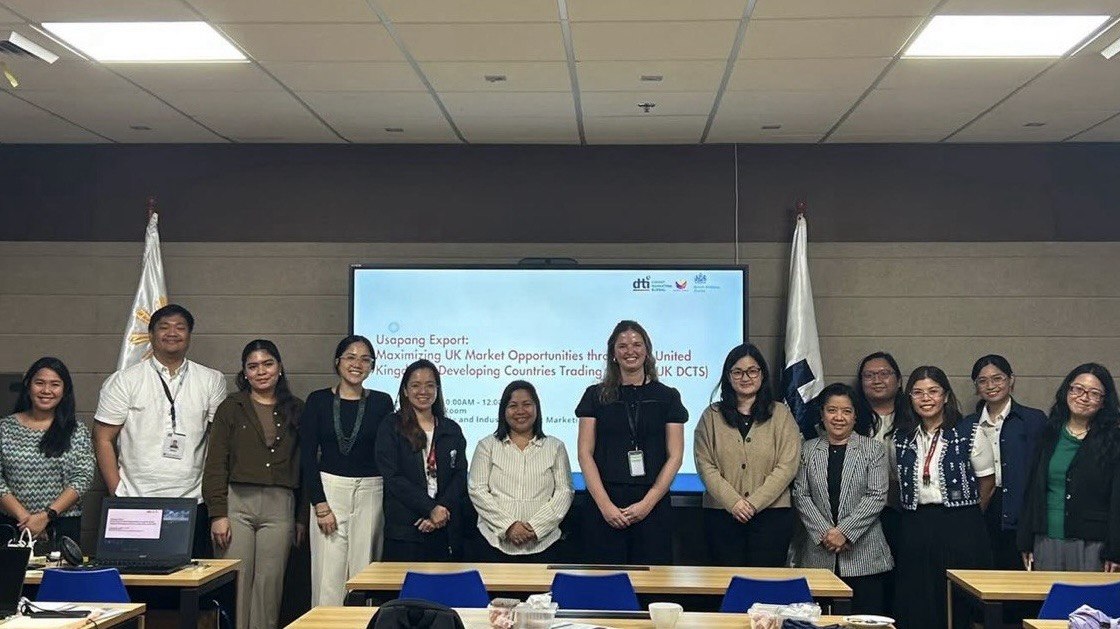
The Department of Trade and Industry-Export Marketing Bureau and the British Embassy Manila recently held information sessions to improve exporters’ understanding and utilization of the United Kingdom’s Developing Countries Trading Scheme, including its more flexible rules of origin.
The initiative, held under the Usapang Export program, brought together government agencies, trade support institutions, and exporters as both countries seek to deepen commercial ties.
“We’ve partnered up with DTI Export Marketing Bureau on bringing together government agencies, trade support institutions, and exporters for Usapang Export,” the British Embassy said.
The push comes after Philippine exporters failed to claim preferential tariff treatment for £92 million, or about P7.7 billion, worth of eligible UK-bound exports in 2025.
Of the £299 million in Philippine shipments eligible for DCTS preferences, only £207 million claimed the available benefits, leaving a sizable portion of exports potentially subject to tariffs that could have been reduced or eliminated.
Bianca Sykimte, director of DTI-EMB, said the agency is working with the UK government to better understand preference utilization and identify sectors that may be lagging.
“We’re doing our best to promote utilization of all our preferences,” Sykimte said.
The challenge, she acknowledged, is making trade rules easier for businesses to navigate.
“We have to simplify it for our exporters. It’s not the easiest,” she added.
The government’s efforts also reflect a longer-term concern. As the Philippines moves toward upper-middle-income status, it is expected to eventually graduate from eligibility for the DCTS, making free trade agreements increasingly important for preserving competitive access to major markets.
“Part of the strategy is… negotiate FTAs with our trading partners,” Sykimte said.
More than 60 percent of Philippine exports already go to markets where the country enjoys trade preferences. Improving utilization now could help exporters capture immediate opportunities while the government works to secure more permanent access through future trade agreements.