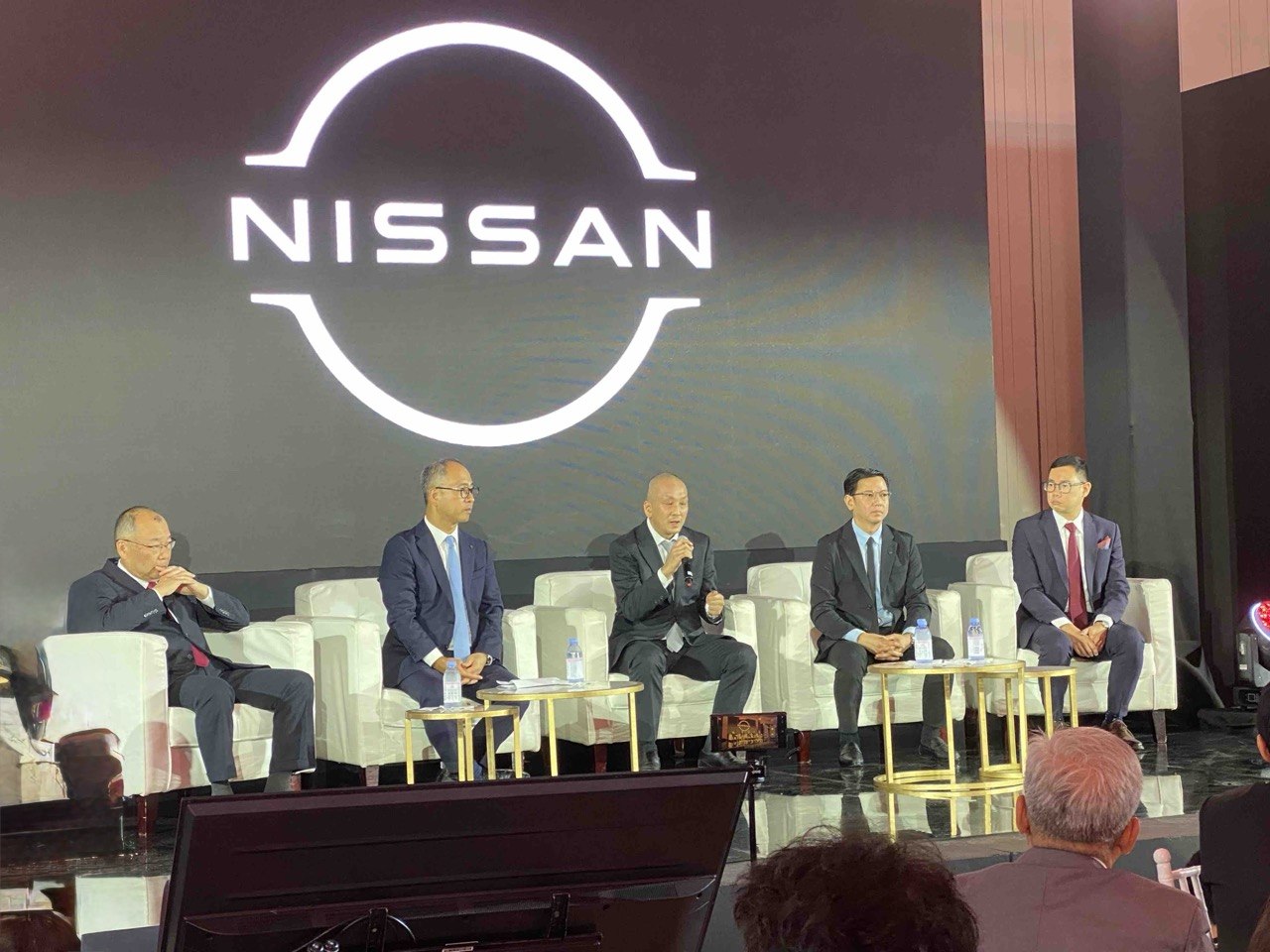
Nissan is aiming to turn the Philippines into its biggest market in ASEAN, using a broader vehicle lineup and a three-country sourcing strategy to support long-term growth while cushioning the business against currency and supply-chain risks.
Shohei Yamazaki, chair of Nissan’s Management Committee for Japan and ASEAN, said sourcing vehicles from China, Thailand, and Japan gives the automaker greater flexibility to respond to foreign exchange swings, including peso depreciation, while offering products suited to different segments of the Philippine market.
“If we can have three sources of cars, it will have a good impact on the company’s management foundation,” Yamazaki said. “We can also offer variations of our products to Philippine customers and the market.”
The Philippines’ growing importance is also showing up in Nissan’s product plans. The country will be the first ASEAN market to receive the new Navara and Primera, putting it at the front of the queue for two key additions to the lineup.
Yamazaki said Nissan is increasingly developing vehicles where demand and production economics make the most sense, then deploying them across other markets. China, for instance, offers a development and manufacturing base for pickups and sedans, segments with more limited demand in Japan.
For Nissan Philippines President Yoshinori Kanazawa, the opportunity is clear, although the climb to the top will not be measured in a quick sales sprint.
The Philippines is currently Nissan’s second-largest ASEAN market and is “very close to number one,” he said.
“It’s not about one month, one year. It’s more long term,” Kanazawa said.
That long-term approach will rely on more than simply selling more of the same vehicles. Nissan expects a wider product lineup, including electrified models, to strengthen its position as Filipino consumers’ preferences evolve.
The multi-sourcing strategy, meanwhile, gives Nissan another advantage. By spreading production across China, Thailand, and Japan, the automaker gains more room to manage exchange-rate movements and potential supply disruptions.
For Nissan, becoming No. 1 in ASEAN is the destination. The broader lineup and more flexible sourcing network are the routes it hopes will get the Philippines there.