The Department of Finance’s (DOF) proposed automobile tax changes under the ProGRESS Bill could deliver sharply different impacts depending on the vehicle and taxpayer, with higher taxes concentrated on luxury cars but a much broader increase affecting motorists, transport operators and businesses.
Under the proposal, existing automobile excise tax rates would remain unchanged for vehicles with a net manufacturer’s or importer’s price of up to ₱8 million. Vehicles priced above ₱8 million would face a new 75% excise tax tier, replacing the current maximum rate of 50% for vehicles costing more than ₱4 million.
The structure effectively targets the additional excise-tax burden at the high end of the market, potentially limiting its direct impact on mainstream vehicle buyers.
The proposed Motor Vehicle User’s Charge (MVUC), however, has significantly wider implications. The DOF plans to adjust rates to reflect cumulative inflation after more than two decades without an increase, resulting in an implied rise of about 109%.
For example, annual MVUC for a light passenger car would increase to P3,344 from P1,600. For-hire modern jeepneys would see their charge rise to P3,132 from P1,499.
The government expects the higher MVUC to generate an additional P89.58 billion from 2027 to 2030, or an average of P22.39 billion annually.
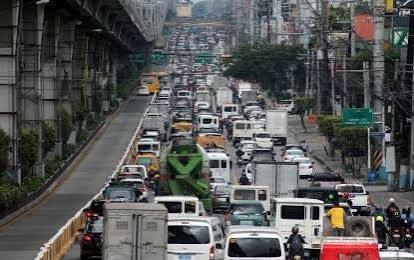
Unlike the luxury-vehicle excise tax, MVUC increases would apply across vehicle classes. That could raise recurring costs for households, transport operators and companies maintaining fleets, while potentially adding pressure to logistics and operating expenses.
Whether those higher costs eventually translate into higher fares, freight charges or consumer prices remains uncertain, as the DOF presentation did not provide estimates of possible pass-through effects.