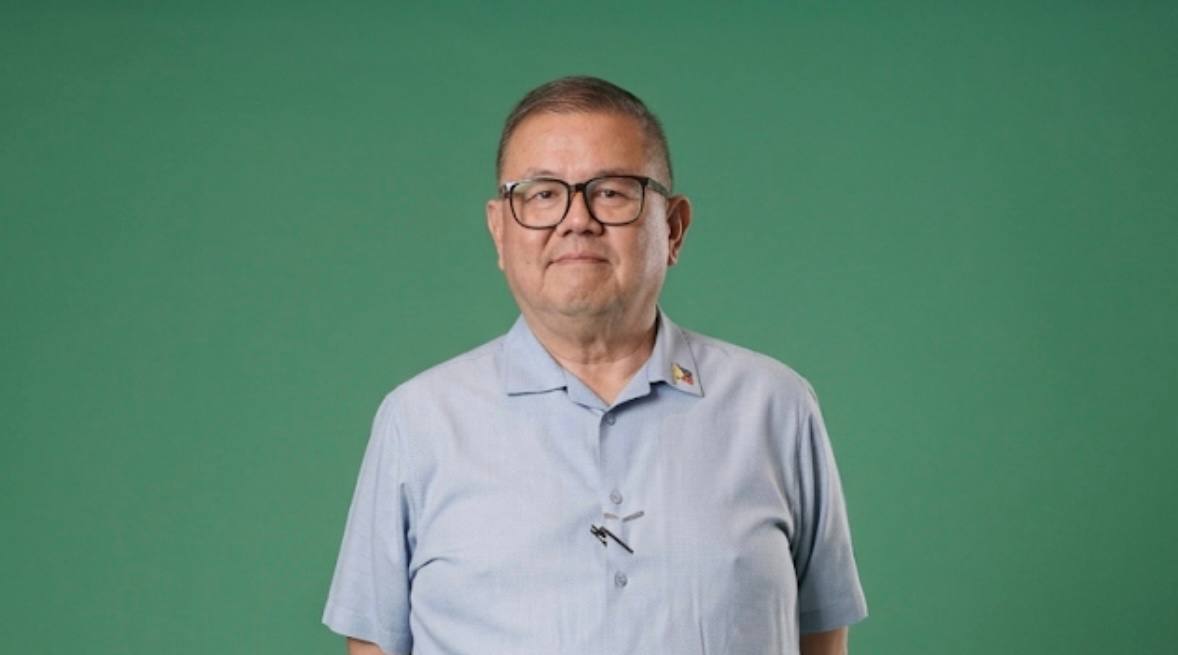
The government has secured sufficient funding to sustain President Ferdinand Marcos Jr.’s P20-per-kilo rice program through the end of his term in mid-2028, with most newly allocated funds remaining available for deployment, Agriculture Secretary Francisco P. Tiu Laurel Jr. confirmed. Dubbed “Benteng Bigas Meron Na!”, the initiative is designed to support vulnerable households and is projected to benefit up to 60 million Filipinos by June 2028. This development carries clear policy significance: it locks in a key social protection measure while outlining careful guardrails to avoid harming domestic rice production.
According to Tiu Laurel, the program is already delivering tangible relief to families grappling with high food expenses. The healthy funding status provides flexibility to maintain the subsidy and keep it focused on those who need it most, rather than expanding it broadly without safeguards. A core policy consideration driving this targeted design is the need to protect local farmers. Making a P20 retail price mandatory across the entire market would risk serious economic harm, as even the most efficient farmers spend approximately P12 to produce one kilo of palay. Additional costs for milling, transport, and trading mean that a universal P20 price would squeeze farm incomes and could discourage domestic output, forcing producers to absorb losses they cannot sustain.
The policy framework also strengthens the National Food Authority’s role in the rice supply chain, empowering it to buy more palay directly from local farmers while streamlining inventory management. This dual approach—supporting consumers through targeted subsidies and boosting farmer incomes via expanded NFA procurement—addresses both ends of the market. The program fulfills a key promise from President Marcos’ 2022 campaign, though officials note the context has changed significantly. When the pledge was made, major inputs like fertilizer and fuel were far less expensive. Since then, global geopolitical tensions including conflicts in Ukraine and the Middle East have sharply raised costs for fuel, fertilizer, and logistics, making a nationwide P20 rice price unfeasible without unsustainable government spending or severe damage to the agricultural sector.
Looking ahead, the administration’s long-term policy goal is to reduce overall rice prices across the market without undermining farm viability. Achieving this will require sustained improvements in productivity, supply chain efficiency, and input cost management. For now, the balanced strategy ensures relief for consumers while strengthening the domestic rice industry’s capacity to meet future demand.