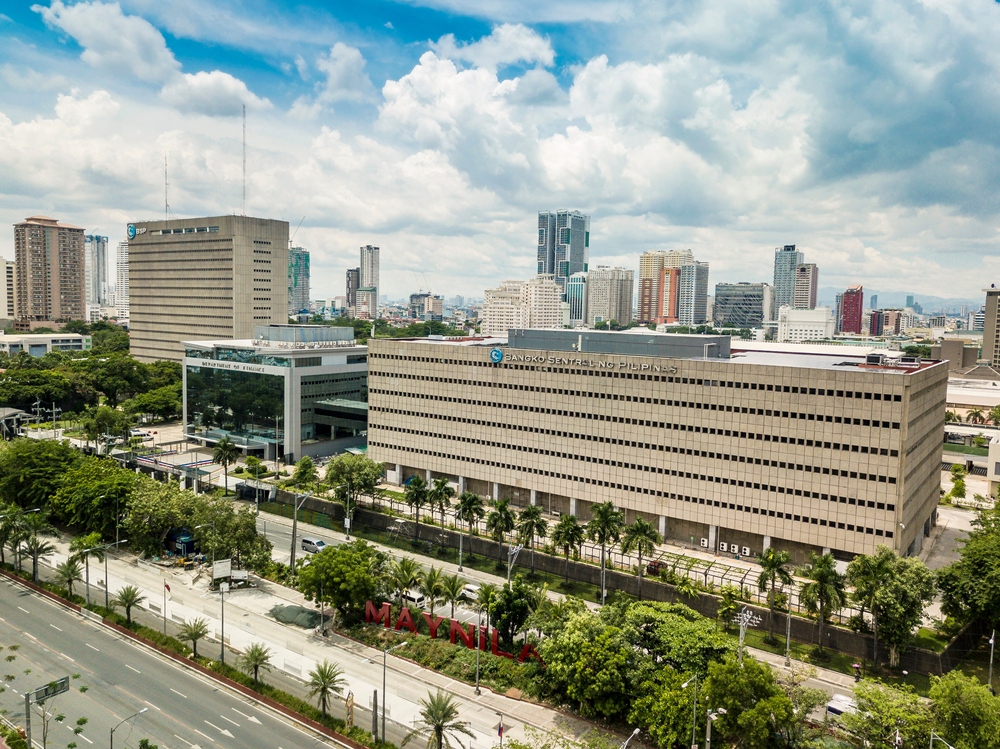
Business owners have grown increasingly worried about the country’s economic path, with corporate confidence plunging sharply into negative territory this July. According to the latest Business Expectations Survey by the Bangko Sentral ng Pilipinas (BSP), the overall confidence index dropped to -20.3 percent from a neutral standing in June. This sudden shift marks a significant downturn in how local companies view their immediate operations, driven largely by rising global oil prices, escalating tensions in the Middle East, and stubbornly high domestic inflation.
This sharp decline in corporate optimism holds critical weight for the country’s economic policy. Business sentiment is one of the primary indicators the BSP monitors when deciding whether to adjust interest rates. Because local firms expect inflation to breach the central bank’s target ceiling of 4 percent, monetary policymakers face immense pressure to keep borrowing costs elevated to cool down prices. Maintaining high interest rates can help manage inflation, but it also makes loans for corporate expansion and personal borrowing more expensive, slowing down overall economic growth.
For ordinary Filipino families, this drop in business confidence directly affects daily living and job security. When local enterprises become pessimistic, they often pull back on expansion and scale down their hiring plans. The survey revealed a noticeable decline in companies planning to recruit additional workers over the coming year. Consequently, job seekers may find fewer employment opportunities, while existing workers could face stagnant wage growth as businesses brace for higher operating costs. Furthermore, persistent inflation means basic goods, transport fares, and household utilities will continue to strain family budgets.
Despite the immediate worry, there is a small silver lining for long-term recovery. Local companies still maintain a positive outlook when looking a full year ahead, particularly within the industrial sector where firms still intend to expand operations next year. The central bank continues to track these developments closely, weighing international conflict risks against household spending power as it shapes monetary policies to protect the domestic economy.