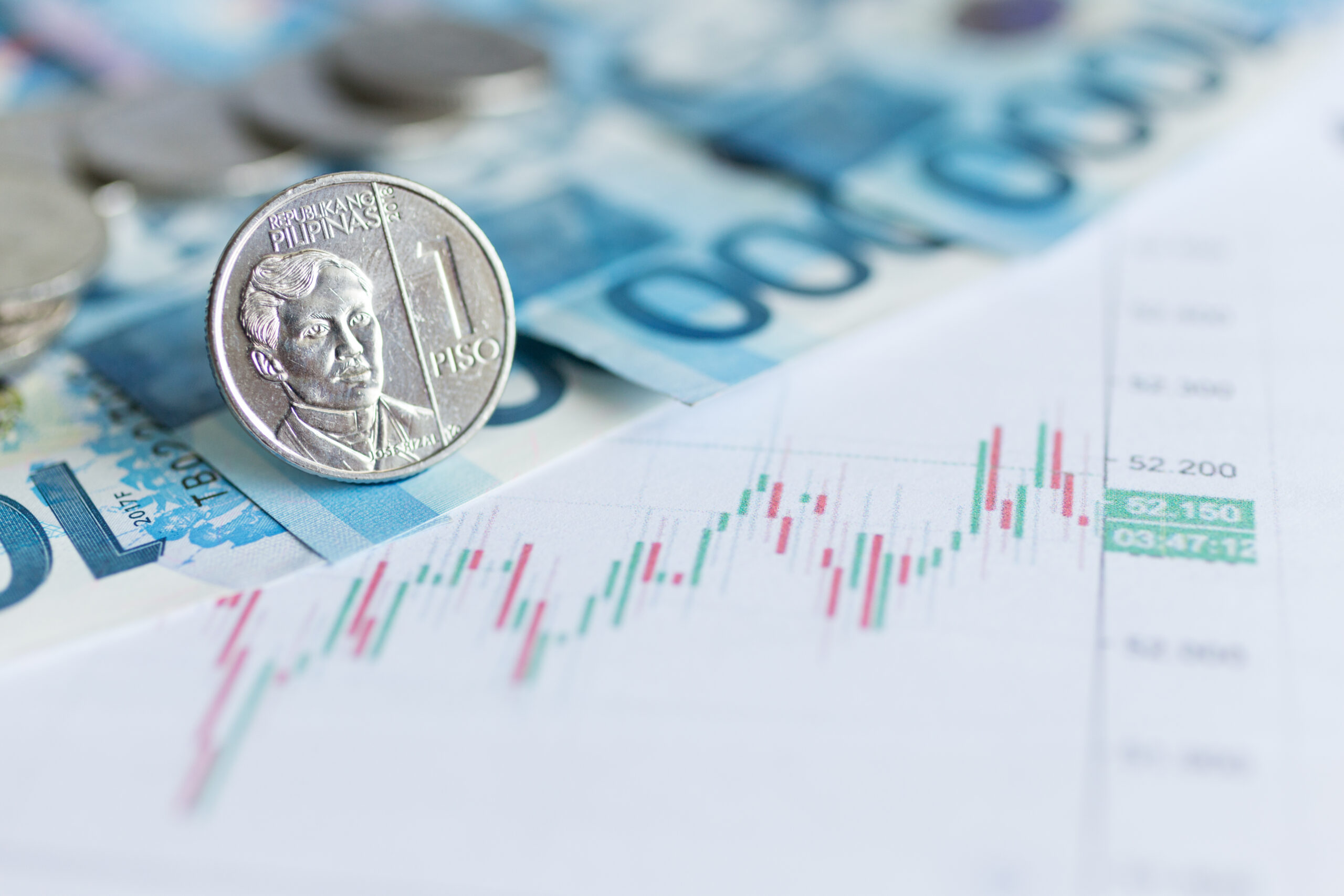
The peso and Philippine equities enter Monday facing another potentially volatile week as investors weigh persistent inflation pressures, softer growth prospects and expectations of further monetary tightening.
Seasonal dollar inflows and upcoming capital-market activity could provide some support. The Philippine Stock Exchange index (PSEi) closed last week at 5,825.97, down 0.5 percent for its third straight weekly decline, despite a 1.7-percent rebound on Friday.
2TradeAsia expects the index to trade within 5,500–6,000, citing downgraded growth forecasts, persistent inflation and tighter liquidity.
The brokerage sees trading opportunities in ports, infrastructure and banks, while noting that the planned GCash offering and P30-billion retail Treasury bond issuance could compete for available funds.
Currency movements may offer a counterweight. RCBC chief economist Michael Ricafort noted the peso’s recovery to P62.465 per dollar, its strongest level in more than three weeks. He identified near-term support at P62.00–P62.35 and resistance at P62.55–P62.65, with further pressure potentially testing P62.70–P62.75.
For equities, Ricafort sees initial resistance at 5,900–6,000 and support at 5,800. Seasonal increases in overseas Filipino remittances, export receipts and other dollar conversions could bolster the peso in the fourth quarter, potentially helping local assets.
Markets will monitor September 30 trade and banking data, October 1 manufacturing figures and October 2 US employment data. The October 6 Philippine inflation report and October 22 Bangko Sentral ng Pilipinas policy meeting will be particularly important for interest-rate expectations.
Until then, investors are likely to remain cautious, with the peso and equities sensitive to incoming economic data, liquidity conditions and shifts in global risk appetite.