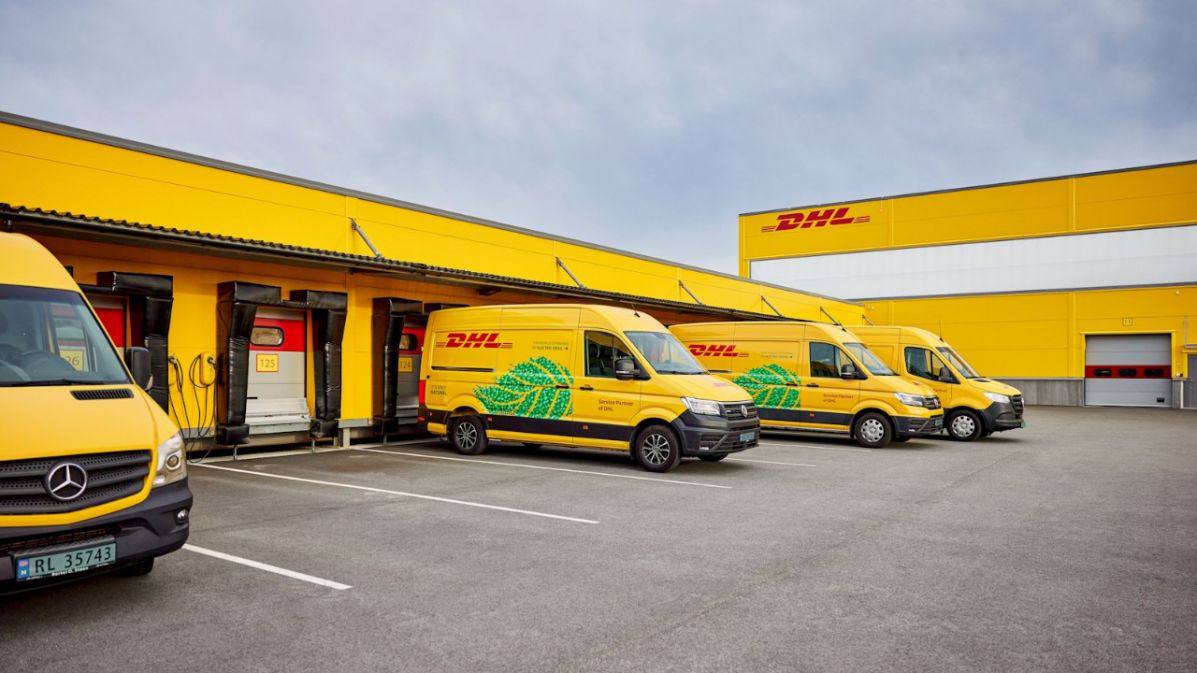
DHL Express Philippines plans to make its entire delivery fleet electric by 2030, putting the country ahead of DHL’s global target of at least 60 percent electric vehicles by the end of the decade.
DHL Express Philippines Managing Director Nigel Lockett said 70 of the company’s 171 vehicles in the country are already electric, giving the fleet an electrification rate of about 40 percent.
“Our aim is to be 100 percent electrified by 2030, both vans and trucks,” Lockett said during a media briefing at the DHL GoTrade Summit on Tuesday.
The target caught the attention of DHL Express Asia-Pacific Chief Executive Officer Ken Lee, who said the Philippines is moving faster than some other markets in the group’s shift to electric mobility.
DHL’s global goal is to reach at least 60 percent electric vehicles by 2030.
Lee said the Philippines’ current 40 percent electrification rate is already strong, citing government policies and the growing range of EV models available locally as factors supporting the transition.
Lockett said lower EV prices are also making electrification more commercially viable. While electric vehicles once carried a sizable premium over conventional vehicles, acquisition costs have fallen, bringing total costs closer to parity.
After factoring in operating expenses and charging infrastructure, EVs are now “on par, if not cheaper” than conventional vehicles, he said.
DHL Philippines does not currently plan to increase its 171-vehicle fleet. Instead, reaching the 2030 goal will largely involve replacing existing vans and trucks with electric units.
The planned transition would make the Philippines one of DHL’s more aggressive markets for fleet electrification, provided the company maintains its current pace of adoption over the next four years.