Forests keep water flowing even through extended dry spells — and that natural shield is getting a major boost as El Niño looms. The Department of Environment and Natural Resources (DENR) is expanding forest patrols and accelerating reforestation across critical watersheds to help forests hold water, control stream flow, cut soil erosion, and recharge aquifers.
The work restores degraded and fire-damaged areas while protecting existing forests and helping new saplings survive. Local communities, Indigenous groups, civil society, and DENR field teams are joining forces to strengthen these vital water systems.
“Forests are our most powerful natural infrastructure for water retention,” said DENR Secretary Juan Miguel “Mitch” Cuna. He stressed these efforts won’t end the current El Niño right away, but build long-term resilience so communities are better prepared against future droughts.
On the ground in Central Luzon, crews are restoring watersheds in Aurora, Bataan, Nueva Ecija, and Zambales, with regular checks on narra plantations to monitor seedling survival and soil moisture amid rising heat.
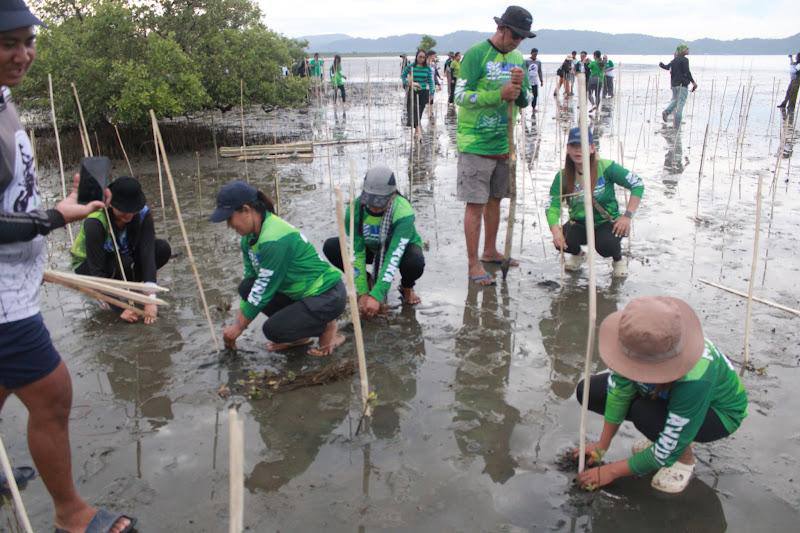
In Bicol, Masbate saw over 16,750 native and mangrove seedlings planted across 50 hectares. Camarines Norte now requires contractors to replace dead saplings and water plantations through the dry season.
In Caraga, restoration teams are planting drought-resilient native species to heal fire-hit peatlands and riverbanks. The Davao Region is intensifying anti-illegal logging patrols and monitoring plantations, while a partnership with the Obu-Manuvu community and Apo Agua protects Davao City’s primary water source, the Panigan-Tamugan Sub-watershed.
Weekly site monitoring and support for community forest groups help maintain plantations and build firebreaks. Together with communities and partners, DENR is strengthening the forests that secure the country’s water supply through El Niño and beyond.