The government could forgo up to P43.6 billion in revenues if it suspends excise taxes on all fuel products for three months, a senior Finance official said, highlighting the fiscal trade-offs as authorities move to cushion consumers from elevated oil prices.
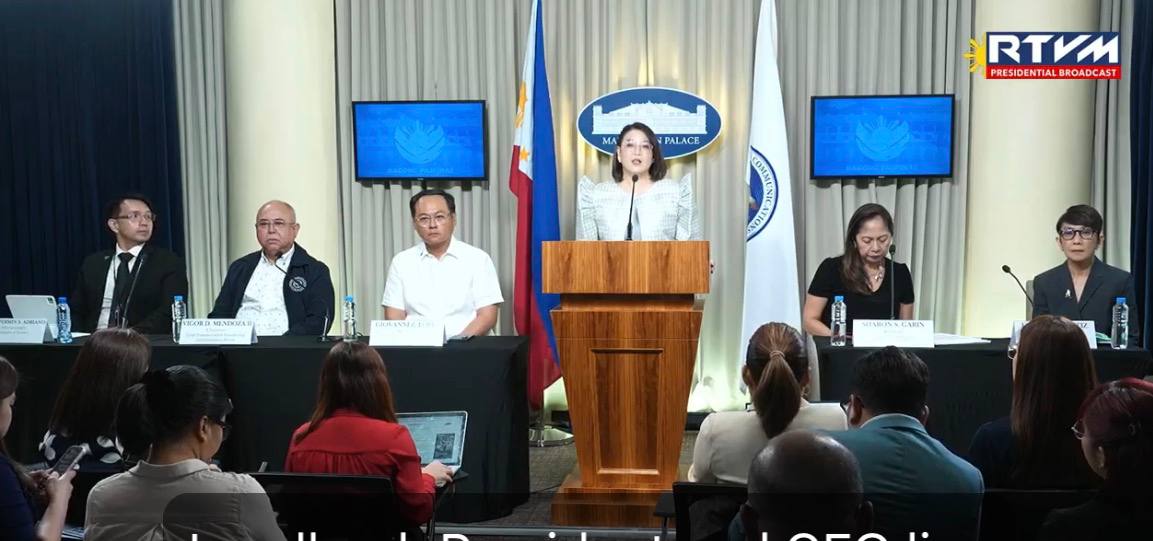
At a Tuesday briefing, Finance Undersecretary Karlo Fermin Adriano said the directive of Ferdinand Marcos Jr. to suspend excise taxes on liquefied petroleum gas (LPG) and kerosene alone would already lead to about P4.1 billion in foregone revenues over the same period. The estimate assumes global crude prices at USD100 per barrel.
Adriano noted the government has yet to decide whether similar tax relief will be extended to gasoline and diesel—an option that would significantly widen revenue losses.
Even as policymakers weigh fiscal risks, the Department of Energy sought to allay fears of supply disruptions. Energy Secretary Sharon Garin said the country holds an average 50-day inventory across major petroleum products, providing a buffer against global volatility.
She broke down current stock cover at roughly 36 days for LPG, 105 days for kerosene, 49 days for diesel, and 54 days for gasoline. Fresh orders have been placed to lift LPG inventories closer to the 50-day benchmark, she added.
“Supply levels remain good,” Garin said, noting inventory buffers allow time for replenishment despite geopolitical risks, including potential disruptions along key shipping routes.
The DOE is also accelerating renewable energy projects and urging conservation to curb reliance on imported oil.