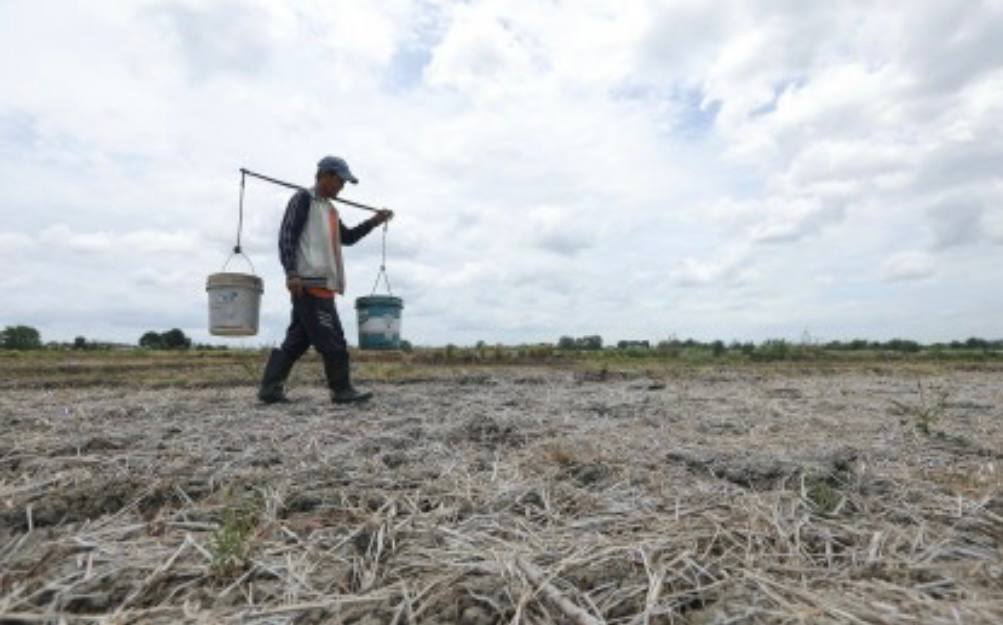
The Department of Agriculture (DA) has reactivated its El Niño task force to prepare for a likely moderate-to-strong dry spell hitting in the fourth quarter of 2026 and lasting into early 2027. DA Secretary Francisco Tiu Laurel Jr. emphasized urgent, coordinated steps to shield crops, farmer incomes, food supply, and prices from harm.
Official forecasts show rice output alone could drop by up to 700,000 metric tons — or 3.5 percent of the annual target — if the event turns severe. This follows the 2023–2024 El Niño that caused ₱57.78 billion in agricultural losses, hitting corn, rice, and fisheries hardest and cutting 2024 farm production by 2.2 percent.
To counter risks, DA will use cloud seeding, solar-powered irrigation, adjusted planting schedules, and crop diversification. It also plans stronger early warnings and climate-resilient farming methods to protect livelihoods and food security. Industry groups praised the proactive approach, calling it a shift from delayed responses in the past.
Globally, the UN Food and Agriculture Organization warned that Middle East supply disruptions and the coming El Niño could together spark a global food price crisis within a year. World food prices have risen for three straight months, and coordinated action across governments and agencies is urged to limit damage.