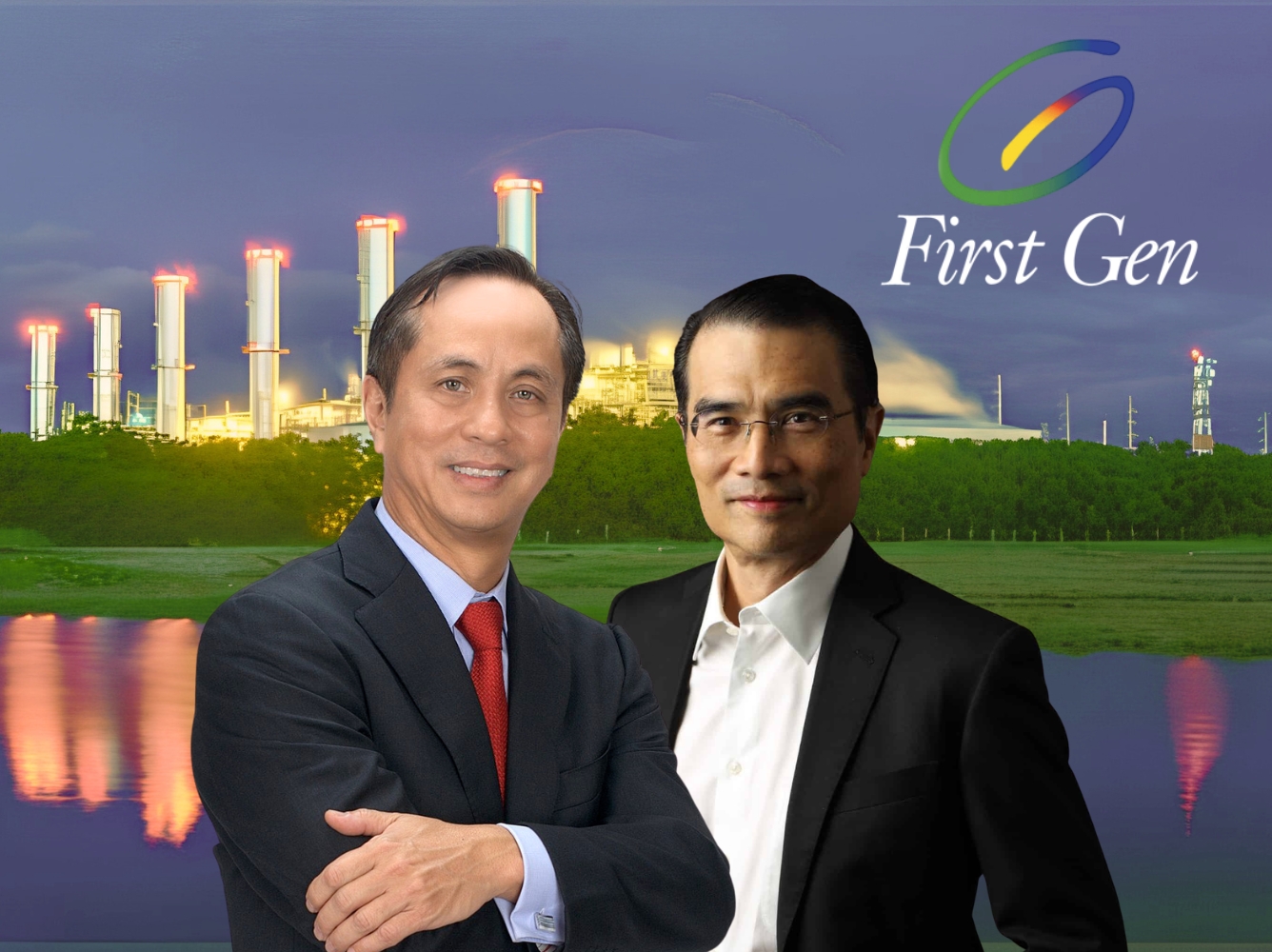
A widening family rift inside Lopez Inc. is escalating into a high-stakes corporate battle over provisions that could force listed power generation firm First Gen Corp. to sell key energy assets at a steep discount, potentially wiping out nearly P24 billion in value.
The faction aligned with Eugenio “Gabby” Lopez III, which holds a 71 percent stake in Lopez Inc., is reportedly seeking legal remedies against so-called “poison pill” clauses embedded in First Gen’s transactions involving Prime Infrastructure Capital Inc., the buyer of a 60 percent stake in the listed company. Prime Infra, owned by tycoon Enrique Razon Jr., would be allowed to acquire remaining stakes in First Gen’s gas and hydropower businesses at a 25 percent discount if Federico “Piki” Lopez is removed as chairman and chief executive officer of the listed firm.
Sources said the Gabby Lopez group is consulting lawyers from Romulo Mabanta Buenaventura Sayoc & De Los Reyes to assess whether to bring the matter before the courts, the Securities and Exchange Commission, or the Philippine Stock Exchange, citing possible governance and disclosure lapses.
At the center of the dispute is a triggering event tied to a February board vote in which Piki Lopez was removed as president and CEO of Lopez Inc., the ultimate holding company of the Lopez Group, which includes Rockwell Land and ABS-CBN, in a 5–2 decision. He later obtained a temporary court injunction blocking his ouster.
The majority bloc argues that the arrangement was never properly disclosed to or approved by shareholders in a transparent manner, raising concerns about board oversight and the role of independent directors.
They further contend that the structure effectively penalizes First Gen if Piki Lopez loses his post, while disproportionately benefiting Prime Infra. Under the arrangement, Prime Infra could acquire First Gen’s remaining hydropower stake at a discount estimated to cost about P16 billion, and its gas business stake at a further loss of roughly P8 billion.
Prime Infra currently holds significant positions in both assets, having previously acquired 60 percent of the gas business. It also bought 40 percent of the hydropower business, with First Gen later reducing its exposure to 33 percent.
The Lopez majority has described the provisions as value-destructive and self-serving, alleging they were structured without full shareholder consultation and designed in a way that protects executive control while exposing minority shareholders to losses.
The dispute highlights recurring governance tensions in conglomerate structures, where control rights, asset transfers, and executive authority often intersect and intensify during leadership succession battles.
Separately, the board of First Philippine Holdings Corp. decided in a special meeting to defer the listed company’s annual meeting set on May 28 “until such time that the issues relating to the legal dispute” between Lopez Inc. controlling shareholders and First Holdings chairman and CEO Piki Lopez.
The eventual legal resolution could determine not only control over First Gen’s core energy portfolio but also set a precedent for how far shareholder protections extend in complex family-controlled corporate groups.