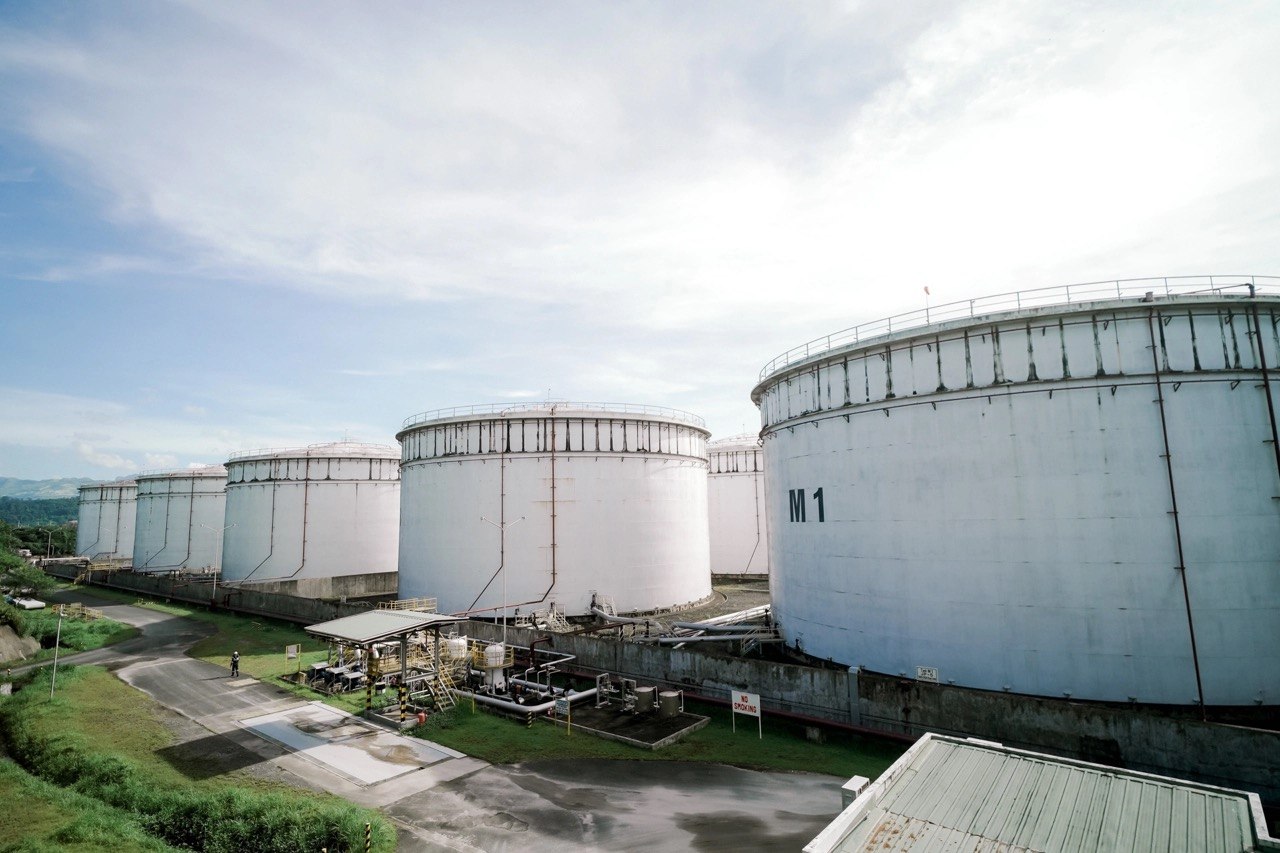
Subic Bay’s fuel infrastructure is moving to the forefront of the Philippines’ campaign to fortify energy logistics, as new diesel imports signal a more assertive push to build buffer stocks and shield the economy from global supply shocks.
At the center of this effort is the Philippine Coastal Storage and Pipeline Corp. (PCSPC), the country’s largest petroleum import and storage facility.
Located within the Subic Bay Freeport, the depot anchors fuel distribution across Luzon’s major demand corridors, including Metro Manila and nearby industrial regions.
Spanning roughly 160 hectares across the Boton and Maritan Hill areas, the PCSPC complex can store about 6.3 million barrels—nearly one billion liters—accounting for around a fifth of the nation’s fuel storage capacity.
Built on legacy infrastructure from the former U.S. naval base, the facility has evolved into a critical logistics backbone for diesel, gasoline, and jet fuel supply.
Its strategic role was underscored this month by the arrival of 44,119 metric tons, or 329,505 barrels, of diesel imported by Philippine National Oil Company (PNOC).
The shipment, discharged via PCSPC on April 10, forms part of the government’s broader effort to strengthen inventory buffers as geopolitical tensions continue to disrupt global fuel markets.
To expedite deliveries, the Bureau of Internal Revenue granted a special permit to PNOC Exploration Corp., allowing emergency imports to bypass standard processing timelines.
PNOC-EC aims to secure up to two million barrels of oil and 22,000 metric tons of liquefied petroleum gas—equivalent to roughly 10 days of additional supply.
The move highlights Subic’s growing importance as a strategic energy gateway, positioning the hub as a key buffer against volatility in international fuel supply chains.