Every year, somewhere along the Philippine coastline, a dolphin, whale, or dugong shows up in the worst possible place. On the sand.
Sometimes weak. Sometimes injured. Sometimes still alive and fighting the tide. Always a sign that something offshore has gone wrong.
Now, an 18-year study by researchers from University of the Philippines Diliman Institute of Environmental Science and Meteorology and the Philippine Marine Mammal Stranding Network suggests these strandings are not random. They are the ocean’s distress flares.
Marine mammal expert Lemnuel V. Aragones and fellow researchers Alessandra Nicole L. Morado and Marie Christine M. Obusan analyzed 1,368 stranding events recorded from 2005 to 2022. That is about 76 stranded marine mammals every year.
The Philippines hosts 30 known marine mammal species. Twenty-seven turned up in stranding records, which means the country has become an unfortunate hotspot for marine emergencies.
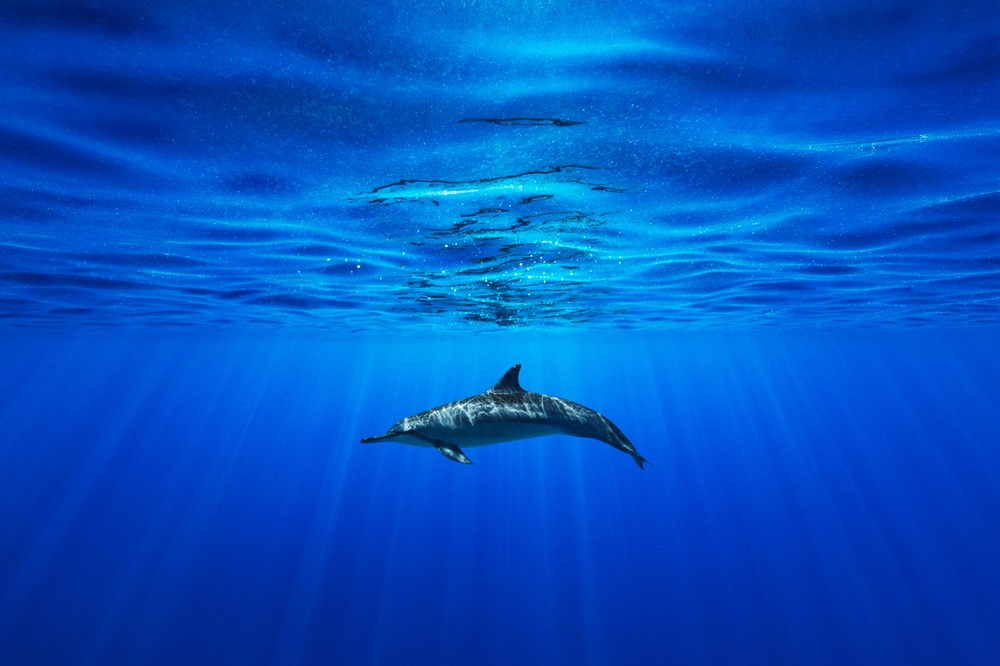
Leading the list was the hyperactive Spinner dolphin, followed by the gentle Dugong, the blunt-faced Risso’s dolphin, the elusive Fraser’s dolphin, and the permanently confused-sounding Melon-headed whale.
Spinner dolphins stranded so often they earned “very frequent” status from researchers. Not exactly a title worth celebrating.
Most strandings involved lone animals, not dramatic mass beachings. More tellingly, 55 percent were still alive when discovered, suggesting many were sick, injured, exhausted, or disoriented rather than simply dying naturally.
Then there is the geography problem.
Researchers mapped strandings across the archipelago and found 35 hotspots, mostly in Luzon. Thousands of islands, unpredictable currents, shallow coastal shelves, and monsoon-driven waters create a maritime obstacle course even experienced marine mammals can struggle to navigate.
From March to May, strandings of spinner dolphins, Risso’s dolphins, and melon-headed whales consistently surged as inter-monsoon conditions shifted currents and prey movement.
Humans make matters worse.
Fishing pressure, accidental entanglement, habitat destruction, and illegal activities continue squeezing already vulnerable species. Dugongs are especially exposed because the seagrass beds they depend on are disappearing fast.
For scientists, stranded marine mammals are not isolated tragedies. They are ecological warning lights flashing offshore.
When dolphins keep washing onto beaches, the ocean is not being mysterious.
It is being loud.