A global alliance of scientists is stepping up efforts to save rice crops from worsening climate threats as rising heat, drought, and salinity place one of the world’s most important food staples under growing pressure.
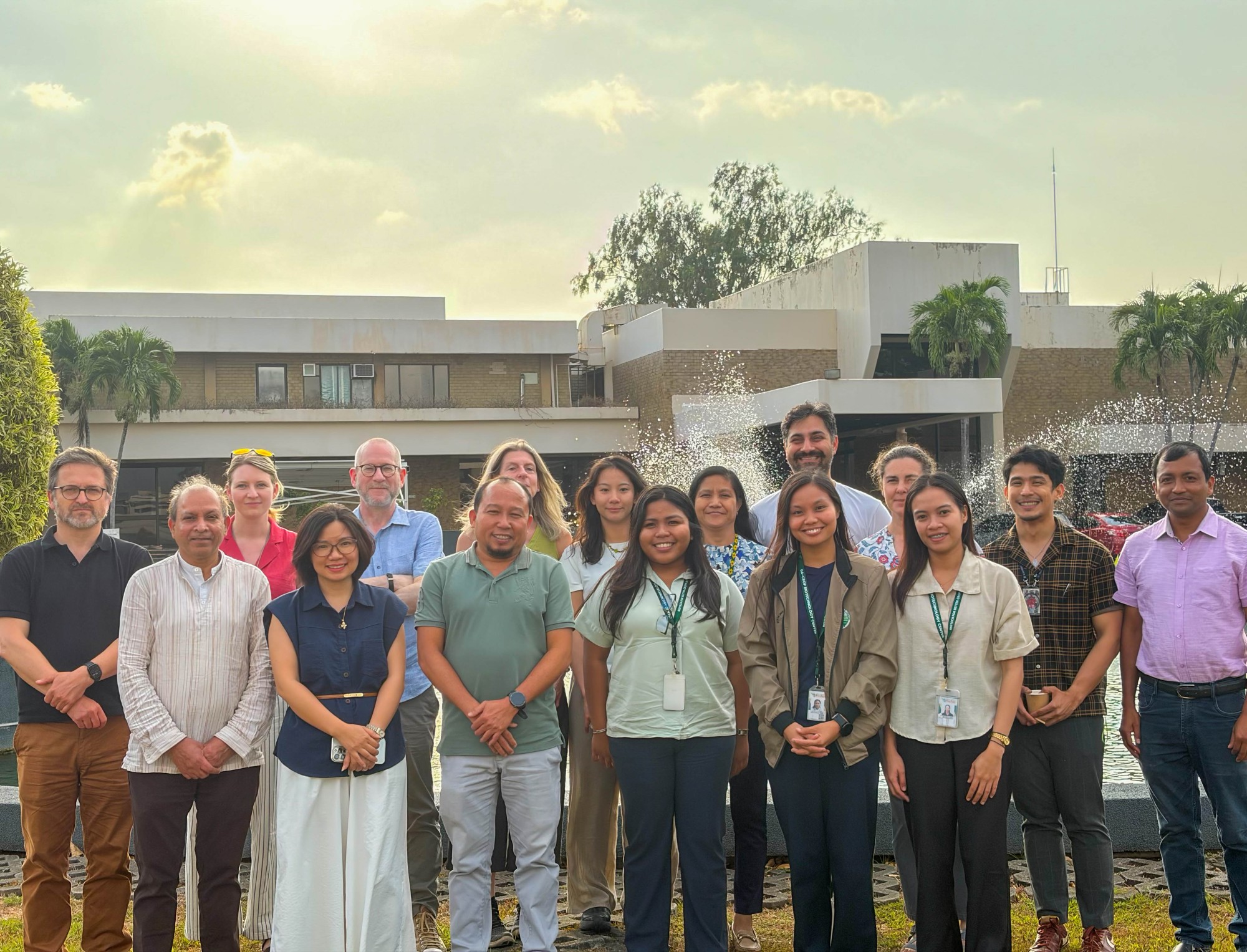
Researchers recently gathered at International Rice Research Institute alongside partners from the University of Nottingham to fast-track solutions aimed at preventing major losses in rice production across vulnerable farming regions.
The stakes are enormous. Rice feeds more than half of the global population, yet scientists warn that climate stress is intensifying faster than many farming systems can adapt.
Global temperatures have already exceeded the Paris Agreement’s 1.5 degree Celsius benchmark, raising fears over long-term food security and supply disruptions.
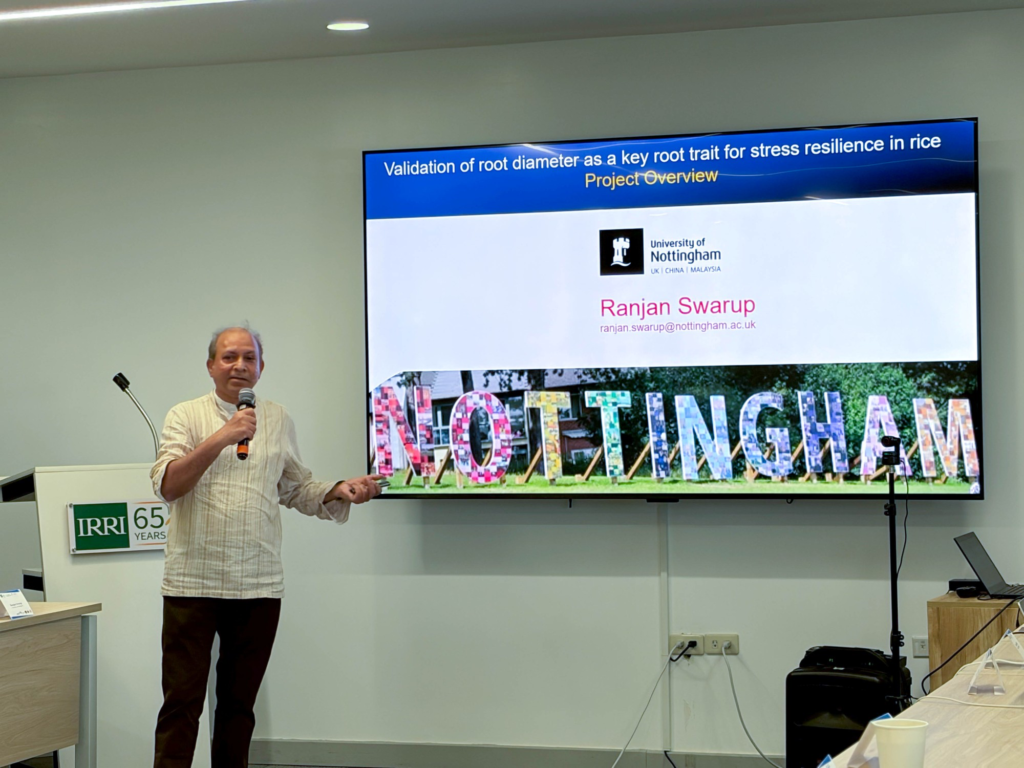
According to a news item from IRRI, plant molecular biologist Ranjan Swarup had noted that even a 1 degree Celsius rise in temperature can slash crop yields by about 6 percent, making climate-resilient rice development increasingly urgent.
One of the strongest areas of focus involves rice roots, which scientists now see as a hidden key to surviving drought conditions. Research led by former IRRI scientist Amelia Henry and IRRI research leader Sankalp Bhosale identified root traits linked to stronger performance under water stress.
Field trials and advanced imaging revealed that rice plants with more crown roots, smaller root cores, and fewer large water-conducting vessels performed better during drought simulations. Researchers believe these findings could help accelerate the breeding of tougher rice varieties capable of withstanding harsher climates.
At the same time, rising nighttime temperatures are emerging as another serious threat. Erstelle Pasion-Uy warned that hotter nights can cut yields by as much as 7 percent while also damaging grain quality and market value.
Scientists are also racing to address salinity in coastal rice farms as overlapping climate stresses continue to threaten global harvests.