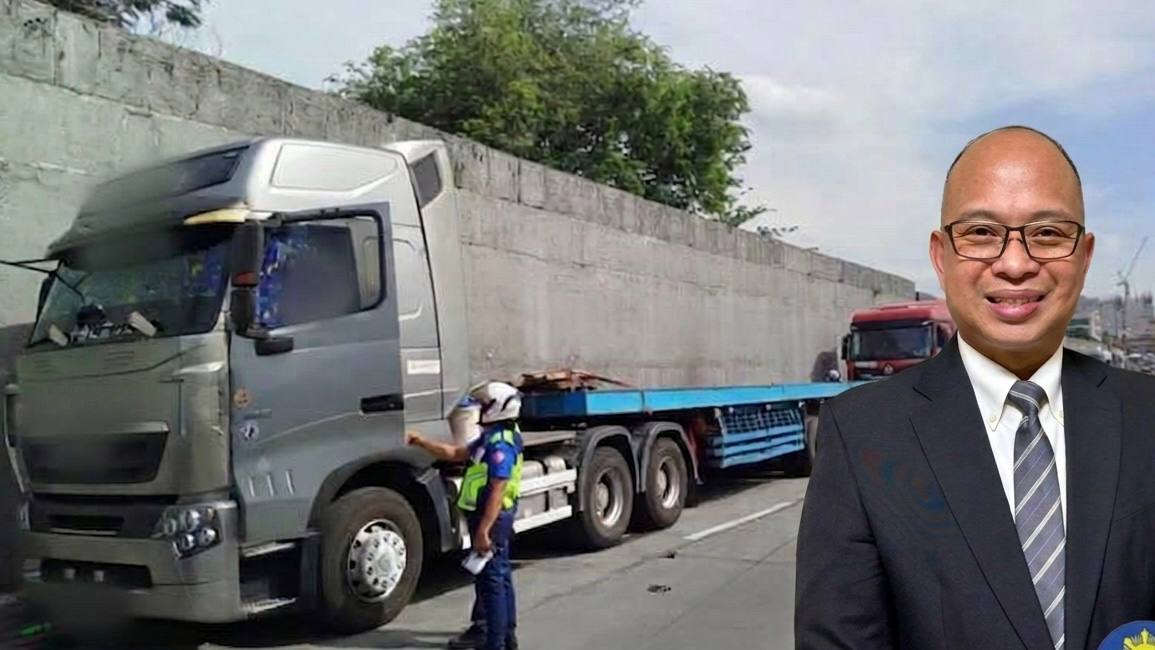
The Philippine trucking industry is facing a critical driver shortage that is limiting fleet expansion and straining logistics operations despite strong demand from manufacturers and businesses, according to industry leaders.
Ferdinand Manebo, president of the Haulers and Truckers Association in the Watersouth Inc. (HATAW), said around 30 percent of trucks owned by operators currently have no drivers available.
“For every 10 trucks that a company owns, three of them will not have drivers,” he said, warning that the labor gap has become one of the industry’s biggest operational challenges.
The group, which represents more than 200 truck operators with over 2,000 trucks serving Manila, Batangas, Subic, and nationwide routes, said trucking remains vital to keeping supply chains moving for industries such as manufacturing, construction, food, electronics, and automotive.
Despite sufficient truck supply, Manebo said operators are struggling to maximize fleet utilization because of the shortage of qualified drivers and rising operating costs.
“It’s easy to buy a truck. The problem is no drivers,” he said.
Industry leaders said the shortage is being fueled by an aging workforce and growing overseas demand for Filipino drivers, particularly in Europe and other countries offering significantly higher salaries.
“They are looking elsewhere here in the Philippines to bring them there,” Manebo said, referring to foreign employers recruiting experienced truck drivers with dollar- and euro-denominated pay packages.
To cope with rising fuel costs and operational pressures, trucking companies are promoting fuel-efficient driving practices, reducing idling time, and optimizing delivery routes to minimize traffic delays and unnecessary detours.
Manebo also urged the government to streamline licensing procedures and expand driver training programs, noting that drivers currently need up to four years to secure the commercial articulated vehicle license classification required to operate large trucks.