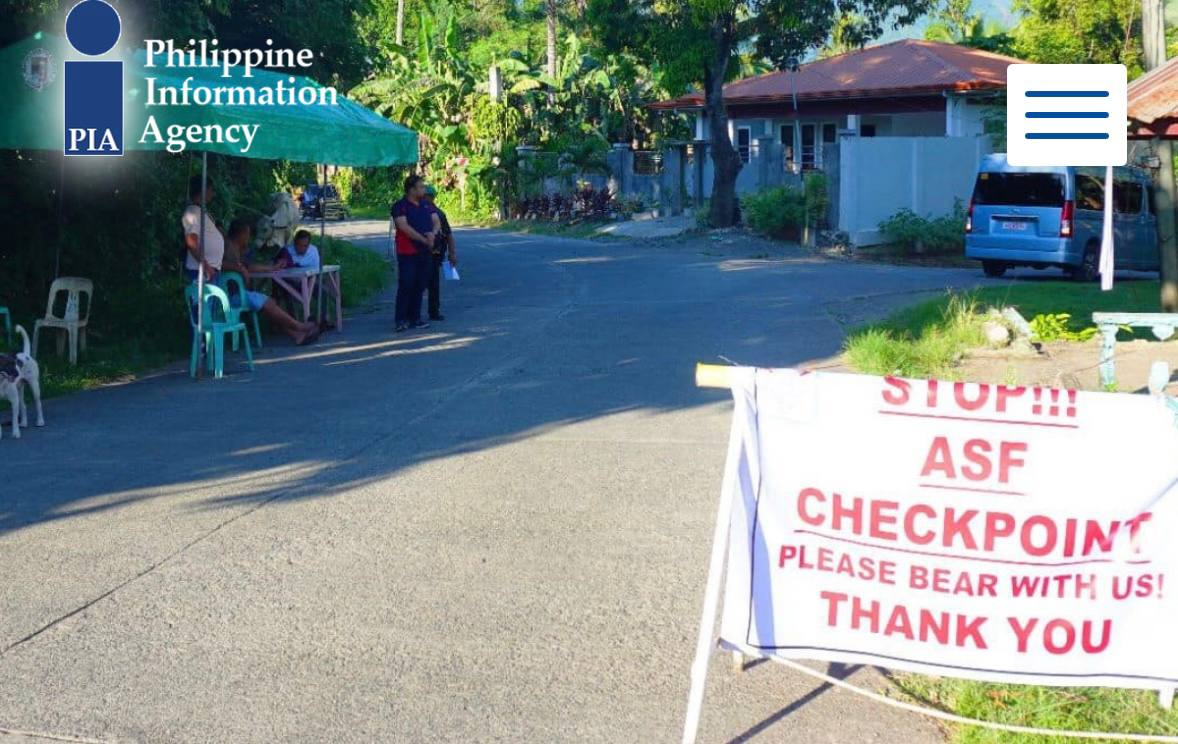
The Department of Agriculture (DA) through the Bureau of Animal Industry (BAI) has clarified that African swine fever (ASF) cases detected in Nueva Vizcaya this year are isolated incidents and do not constitute a widespread outbreak.
According to the BAI, a total of 23 ASF cases were recorded in 2026 across the municipalities of Kasibu, Bayombong, and Villaverde. Authorities confirmed these were localized and have been successfully contained through surveillance, movement restrictions, and control measures. The first case reported in Kasibu last February has already been resolved and no longer active, the agency said.
As of June 5, 2026, active ASF cases remain limited to 5 regions, 7 provinces, 7 cities/municipalities, and 8 barangays in the country.
Alongside disease monitoring, the DA is implementing a national program to rebuild the swine industry. Data from the Philippine Statistics Authority shows the country’s swine inventory reached 8.75 million heads in 2025, down from 9.57 million in the previous year. Smallholder farms make up the majority of this sector.
To support recovery, the government is rolling out an expanded repopulation program starting with the procurement of around 32,000 young female pigs. The target is to add six million hogs by 2028. The agency also aims to maintain stable pork supply and prices, as pork remains a major source of protein and contributes to food security and price stability.
Current pork prices in selected Metro Manila markets as of June 17 are: pork ham at ₱340 per kg, pork belly at ₱385 per kg, frozen kasim at ₱250 per kg, and frozen liempo at ₱300 per kg.
Authorities remind farmers to immediately report suspected cases and follow biosecurity protocols to help prevent the spread of the disease.