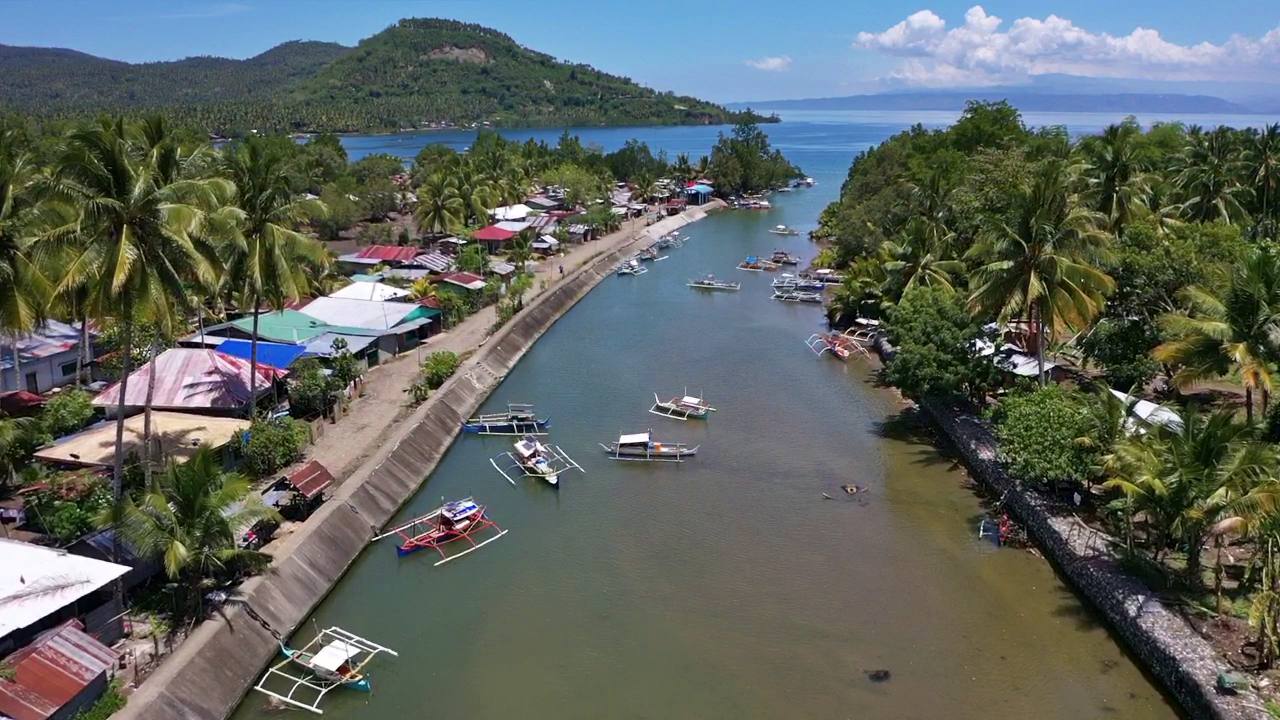
Once a vital source of food and livelihood for communities in Malapatan, Sarangani, the Sapu Masla River had deteriorated due to poor waste management and slash-and-burn farming practices. Uncontrolled soil erosion from deforested uplands carried silt downstream, turning waters murky, increasing flood risks, and threatening local livelihoods.
In 2021, the Department of Environment and Natural Resources (DENR) Region XII launched rehabilitation efforts under the Rivers for Life Program and Adopt-a-River Project, in partnership with the local government of Malapatan. The initiative adopted a ridge-to-reef approach, connecting upland, river, and coastal management.
Local people’s organizations took charge of specific sections of the river, conducting regular cleanups and monitoring. In the uplands, sustainable farming techniques were introduced alongside bamboo and native tree planting to stabilize slopes and riverbanks. Programs such as May Pera sa Basura and May Bigas sa Basura educated residents on waste segregation and created incentives for proper disposal. The creation of Barangay River Management Councils further strengthened community participation and shared responsibility.
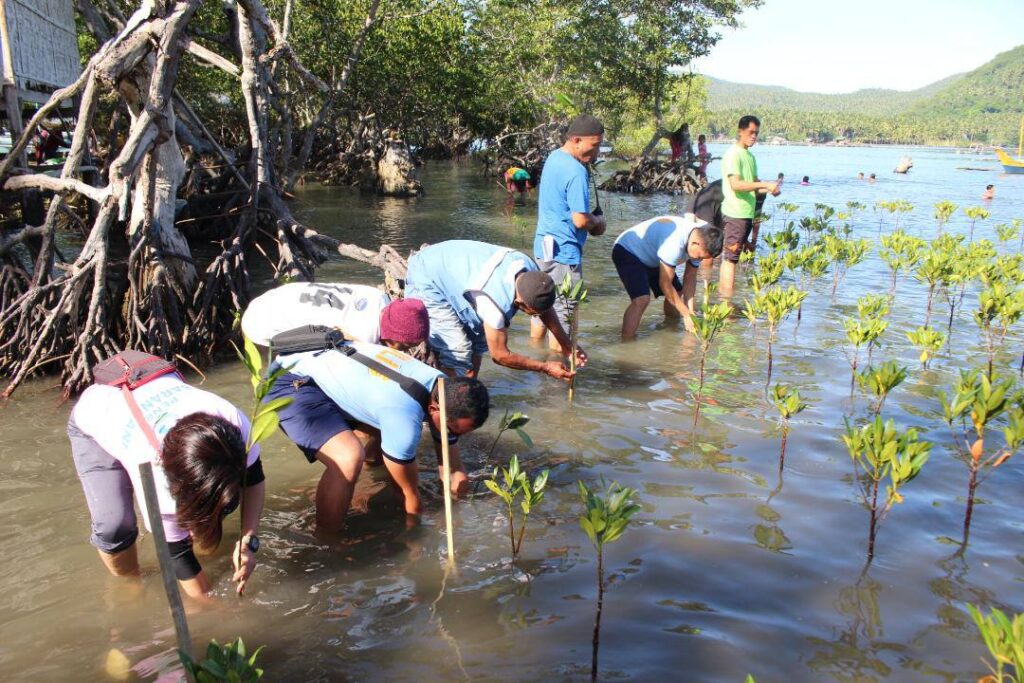
Years of collective effort have yielded positive results: waste volumes dropped, water quality improved, and flooding incidents decreased. Riverbanks are now stable, and ecosystems including mangroves and seagrass beds in Sarangani Bay have begun to recover. Today, the revitalized Sapu Masla River continues to support agriculture, fisheries, and the well-being of over 7,000 residents.
This transformation demonstrates that environmental restoration is achievable when governments, communities, and stakeholders work together.