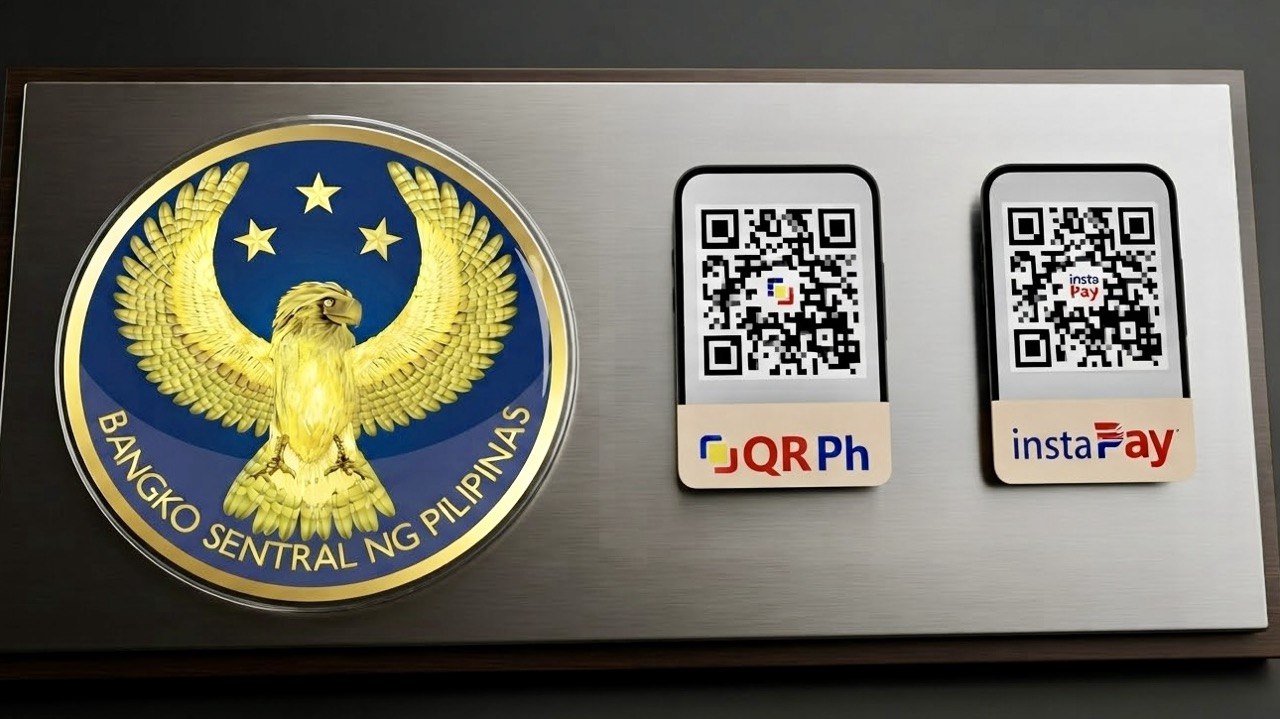
Digital payments accounted for nearly two-thirds of retail transactions in the Philippines last year, putting the country within its national target range and underscoring how quickly electronic payments are replacing cash in everyday commerce.
The Bangko Sentral ng Pilipinas said digital payments made up 64.7 percent of total retail payments in 2025, up sharply from 57.4 percent in 2024. The figure is already within the Philippine Development Plan’s 60 percent to 70 percent target for 2023 to 2028.
“The BSP continues to work closely with industry and government partners to expand digital payments to benefit more Filipinos and the economy as a whole,” BSP Governor Eli M. Remolona Jr. said.
The acceleration was supported by a 69.4 percent increase in digital payment accounts and a 36.3 percent expansion in merchant locations accepting digital payments, according to the BSP’s 2025 Report on the Status of Digital Payments in the Philippines.
Interoperability is emerging as one of the biggest drivers of adoption.
“A lot of the growth is due to our insistence on interoperability, ensuring that a growing number of businesses and service providers are on one system,” Remolona said.
QR Ph transactions overtook debit and credit card transactions for the first time in 2025, with 2.47 billion transactions worth P1.16 trillion processed during the year.
The shift is not limited to consumer purchases. PESONet transactions also surpassed check payments, reflecting growing use of electronic fund transfers by businesses and individuals.
The numbers suggest digital payments are moving from an alternative to cash into the mainstream of Philippine commerce. But sustaining that momentum will depend on keeping digital transactions affordable, reliable, and accessible beyond major urban centers.
The BSP is pushing in that direction through measures such as Circular No. 1238, which requires fees for transfers between different financial institutions to be reasonably aligned with those charged for transfers within the same institution.
With more accounts, merchants, and payment platforms connected to interoperable systems, the next challenge is less about convincing Filipinos to go digital and more about ensuring the infrastructure can keep pace with adoption.
The 2025 milestone puts the Philippines ahead of its digital payment trajectory, but broader financial inclusion will ultimately determine how meaningful that shift becomes.