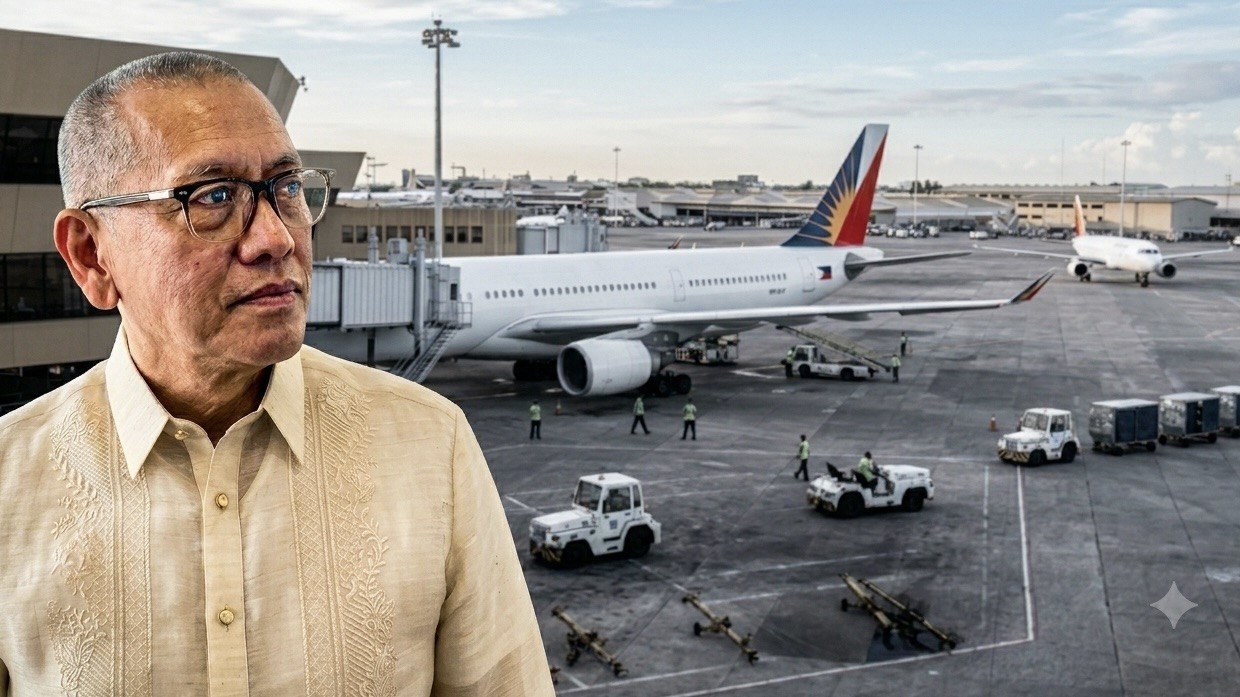
The Philippine Chamber of Commerce and Industry (PCCI) has sounded the alarm over worsening cargo congestion at Ninoy Aquino International Airport (NAIA), warning that prolonged delays could undermine the competitiveness of the country’s largest export industry.
PCCI President and EMS Group CEO Ferdinand A. Ferrer said bottlenecks at Bureau of Customs (BOC) cargo facilities are beginning to disrupt the semiconductor and electronics supply chain, an industry that relies heavily on speed, precision, and just-in-time delivery systems.
“Semiconductors operate on lean manufacturing principles, where materials come in and are processed and shipped out within days. Delays in cargo release directly affect our ability to meet turnaround commitments to global customers,” Ferrer said.
The concern reflects the growing importance of logistics efficiency in an industry where production schedules are measured in hours rather than weeks. Semiconductor manufacturers depend on the rapid movement of imported wafers and specialized components that arrive almost exclusively through air cargo facilities before being assembled, tested, packaged, and re-exported.
According to Ferrer, the share of airport shipments cleared within three days fell to about 76 percent this year from roughly 95 percent in 2025, resulting in longer dwell times and operational disruptions.
While the decline may appear modest on paper, industry players say even small delays can ripple through global supply chains, affecting production timelines and customer commitments. The Philippines remains deeply integrated into international semiconductor value chains, making logistics reliability a critical factor in retaining existing investments and attracting new ones.
The stakes are significant. The electronics and semiconductor sector generated approximately $50 billion in exports and $35 billion in imports in 2025, accounting for the largest share of the country’s export earnings.
Ferrer said business groups are coordinating with airport authorities, customs officials, and other government agencies to address warehousing limitations that have contributed to congestion. Temporary storage solutions are currently being explored while longer-term capacity improvements are being developed.
“The logistics system is the vein of the economy. The first experience of any investor or exporter is how efficiently goods move through our airports and seaports,” he said.
The warning comes as the Philippines seeks to strengthen its position in global electronics supply chains, where efficient cargo movement increasingly serves as a competitive advantage alongside labor skills, incentives, and infrastructure.