The Philippine Economic Zone Authority (PEZA) is ramping up its green industrialization agenda, with renewable energy investments emerging as a key pillar in its bid to make Philippine ecozones more competitive and attractive to global investors.
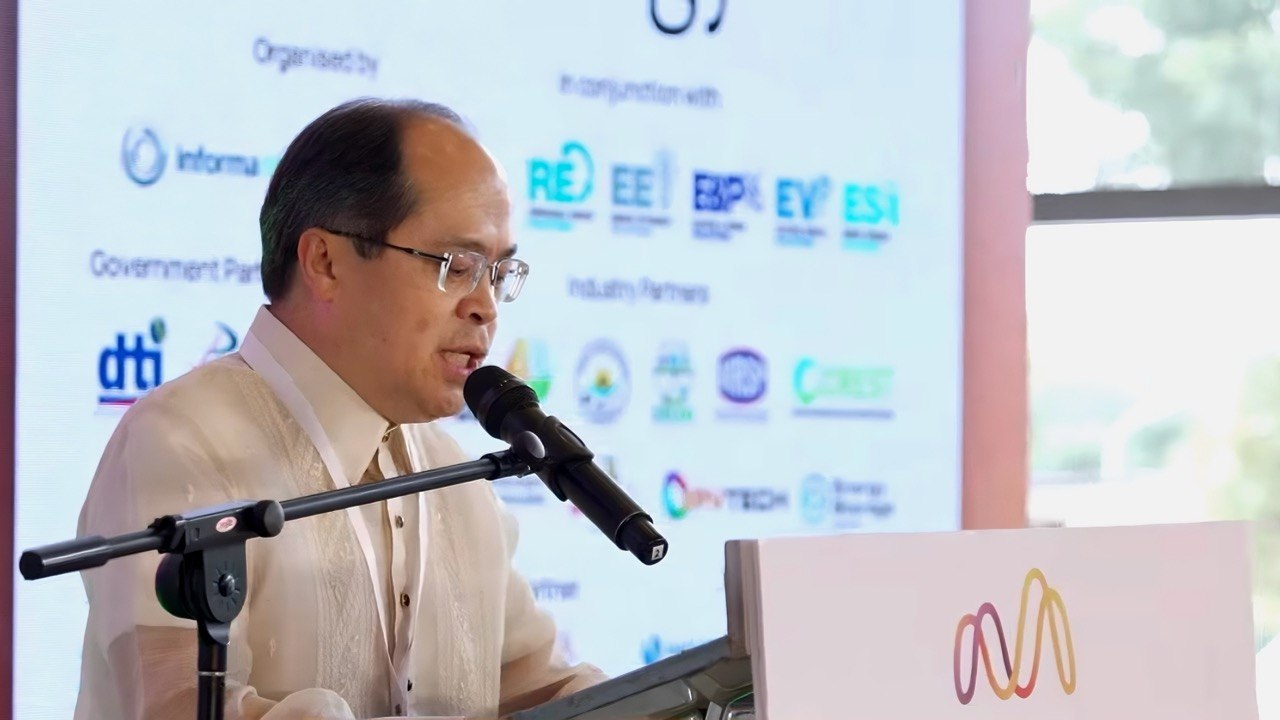
Speaking at PhilEnergy 2026, PEZA Director General Tereso O. Panga said the agency has approved 21 solar manufacturing and renewable energy enterprises that have brought in more than P97 billion in investments and generated over 1,300 jobs.
The investment haul underscores a growing shift in investor priorities. As multinational firms increasingly factor sustainability, energy security, and carbon footprints into location decisions, PEZA is positioning its ecozones as platforms for both industrial growth and climate resilience.
“These milestones demonstrate that the Philippines, through our ecozones, has the right combination of policy support, investment incentives, and strong public-private partnerships,” Panga said.
At the center of the strategy is PEZA’s effort to transform traditional economic zones into smart and eco-industrial hubs. Through its partnership with the International Finance Corporation-World Bank, the agency is integrating renewable energy systems, modern water infrastructure, and embedded utilities into industrial estates.
A major focus is reducing power costs, long viewed as a key constraint to Philippine competitiveness. PEZA has partnered with Manila Electric Co., Upgrade Energy Philippines, and the Philippine National Oil Co. to develop microgrids, solar installations, and self-generating industrial parks powered by renewable energy.
Beyond power generation, the agency is strengthening environmental governance through collaborations with the United Nations Development Programme, the Global Reporting Initiative, Zeroboard of Japan, and the Philippine Energy Efficiency Alliance. These initiatives support ESG reporting, greenhouse gas monitoring, and energy efficiency programs across ecozones.
Panga noted that attracting green investments will require more than policy commitments.
“Policy alone is not enough. We need the actual deployment of technology to bring these visions to life,” he said.
The push reflects a broader reality. As competition for sustainability-driven investments intensifies across Asia, access to reliable and cleaner energy is becoming as important as tax incentives in winning investors.