The Philippines is edging closer to upper-middle-income status, with years of trade and investment reforms continuing to pay economic dividends. The World Trade Organization (WTO) said sustained policy changes have kept growth resilient, expanded employment, and positioned the country for the next stage of development.
In its latest Trade Policy Review presented in Geneva on June 24 and 26, the WTO noted that the Philippine economy posted average annual growth of about 5 percent from 2018 to 2025. During the period, per capita gross domestic product climbed more than 30 percent to USD 4,279 from USD 3,280, while trade consistently accounted for 58 percent to 72 percent of GDP.
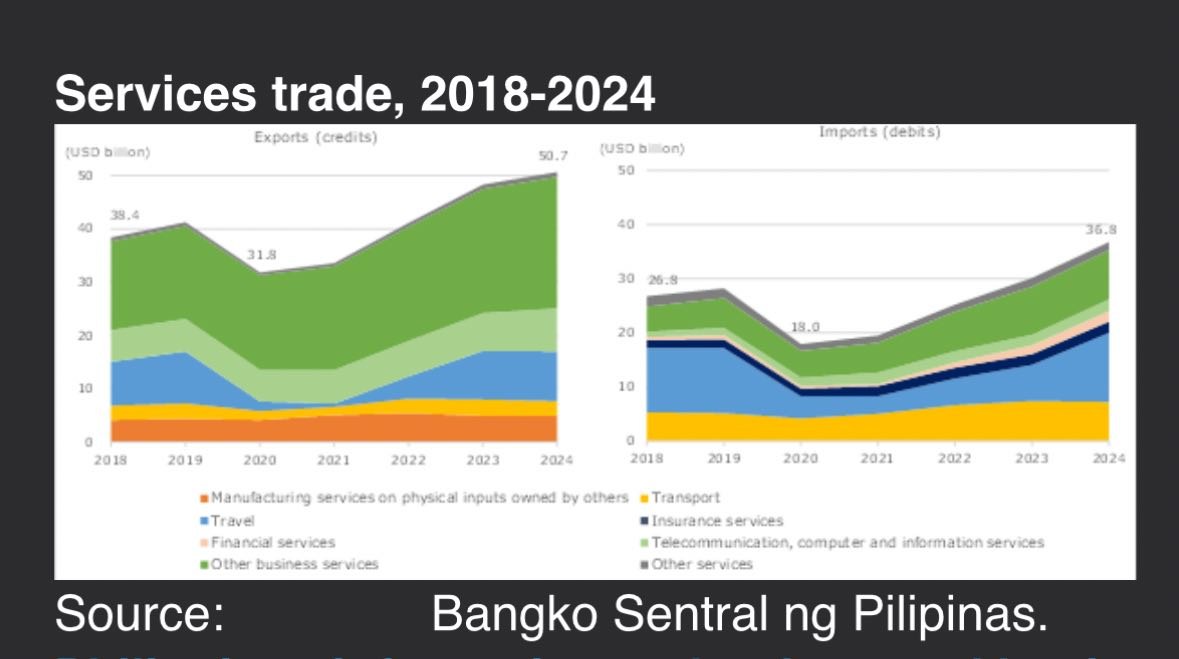
Exports have done more than generate foreign exchange. The WTO said export-driven industries helped lift incomes and expand the country’s middle class to more than 40 percent of the population. The information technology and business process management sector alone boosted services exports by 34 percent between 2018 and 2024, while electronics manufacturing and semiconductor testing and packaging further deepened the Philippines’ role in global supply chains.
The review also credited sweeping reforms that liberalized investments, improved trade facilitation, modernized taxes, expanded infrastructure, accelerated digitalization, and strengthened governance. Together, these measures have made the economy better equipped to withstand external shocks despite a more volatile global trading environment.
The WTO, however, said the job is far from finished. High logistics costs, regulatory red tape, and fragmented approval processes continue to erode competitiveness. It urged the Philippines to fast-track the National Single Window, improve regulatory coherence, and invest more heavily in innovation and human capital.
The message is straightforward: reforms have put the country within striking distance of upper-middle-income status. Whether it gets there—and stays there—will depend on how quickly it can remove the bottlenecks that still hold back trade and productivity.