As the Philippines faces another El Niño episode—forecast to become a “super El Niño” by late 2026 and last into early 2027—Manila Water says it is far more capable now of delivering reliable 24/7 service than during previous dry spells.
For decades, Metro Manila relied on Angat Dam for over 90 percent of its water needs, leaving the system vulnerable to drought. During the 2010 El Niño, dam levels dropped to a record low of 157.56 meters, cutting allocations by 30 percent and causing widespread outages. Production then stood at 1,325 million liters per day (MLD), with no alternative sources to turn to. Conditions remained tight in 2015, when output reached 1,479 MLD but the system still depended mostly on Angat. The 2019 crisis was the most severe: even with production of 1,465 MLD, critically low levels at Angat and La Mesa Reservoir led to major shortages, highlighting the urgent need for change.
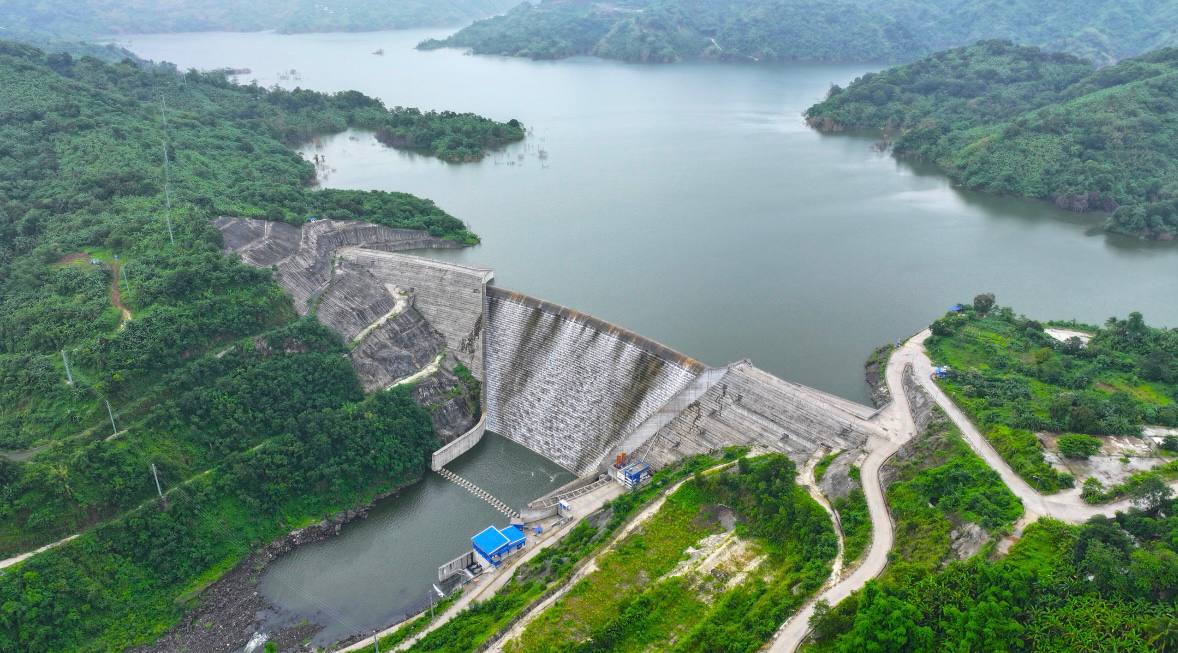
Today, Manila Water has shifted away from single-source dependency, with total production now at 1,730 MLD. Key additions include supplies from Laguna Lake via the Cardona (110 MLD) and East Bay Phase 1 (50 MLD) treatment plants, plus the Calawis facility (80 MLD) fed by Tayabasan Weir. Most significant is Upper Wawa Dam, which can deliver up to 710 MLD as a dedicated buffer for the East Zone.
Two more facilities will open soon: the 220-MLD Kaysakat plant in Antipolo, drawing from Upper Wawa, and the 200-MLD East Bay Phase 2 from Laguna Lake.
“From a system with no alternative sources in the past, we have built a more secure and resilient network,” said East Zone COO Arnold Jether Mortera. “We are now better equipped to protect customers from severe disruptions even during El Niño.”