President Ferdinand R. Marcos Jr. has ordered the Department of Transportation (DOTr) to study possible assistance for the transport sector and carefully review fare hike proposals as rising global oil prices threaten to push up commuting costs and fuel broader inflation.
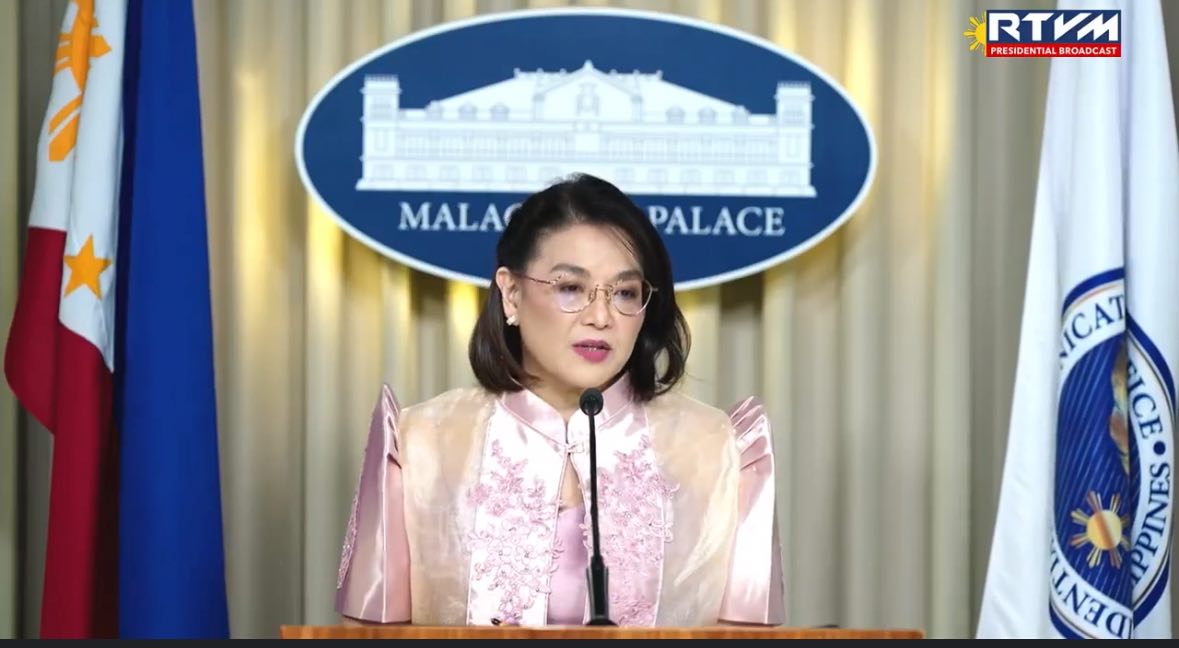
Presidential Communications Undersecretary Claire Castro said the President instructed Transportation Secretary Giovanni Lopez to assess the impact of higher fuel prices and recommend measures that balance the needs of transport operators with the welfare of commuters.
“We have already spoken with Secretary (Lopez), and he has been instructed to study the situation. We have to balance everything because if transport fares increase, the prices of other products will also inevitably rise,” Castro said during a Palace press briefing.
She said the President wants to ensure that “no one is left behind,” with any assistance extended “in the proper and balanced manner.”
The DOTr is evaluating possible interventions, including targeted financial assistance for public utility vehicle operators and drivers. Castro, however, declined to say whether funding for any subsidy program has already been included in the proposed 2027 national budget.
“We will not yet discuss the 2027 budget. Let us allow the President to announce it,” she said.
Castro added that Malacañang recognizes the growing burden of higher fuel costs and is exploring ways to cushion the transport sector without triggering additional price pressures on consumers.
The government is also continuing discussions on proposals to suspend or remove excise taxes on fuel products such as kerosene and liquefied petroleum gas, although Castro said the issue remains under review by the appropriate government committee.
The Palace’s cautious approach reflects the difficult balancing act facing policymakers. While transport groups have long argued that higher fuel costs justify fare adjustments, any increase could ripple through the economy by raising logistics costs and consumer prices.
Targeted subsidies, if implemented, could offer temporary relief while helping contain inflationary pressures, especially as global energy markets remain volatile.