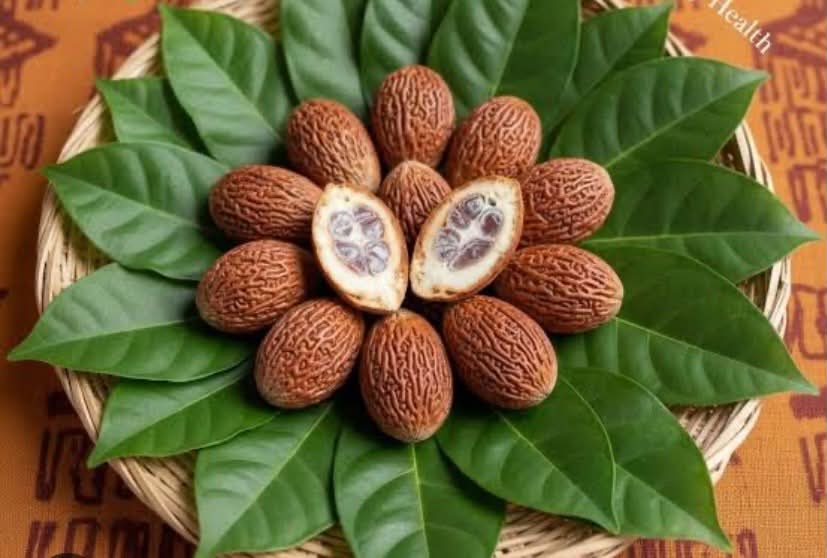
What if the next clue in the fight against diabetes isn’t found in a laboratory alone, but inside a bitter seed?
Researchers from the University of San Carlos have found that an extract from Garcinia kola, a medicinal plant native to West and Central Africa, showed promising blood sugar-lowering effects after being processed into a stable powder.
The findings, published in the June issue of the Philippine Journal of Science, suggest the extract could one day serve as the basis for new plant-derived treatments that help control blood sugar. But much more research is needed before it can be tested in people.
The study found that the spray-dried seed extract blocked alpha-amylase, an enzyme that breaks down starch into sugar. Think of it as slowing down the body’s carbohydrate “scissors,” helping prevent the sharp spikes in blood sugar that often occur after meals.
The promise extended beyond the laboratory. In diabetic mice, the extract lowered blood sugar levels, with larger doses producing stronger effects that became most pronounced several hours after treatment.
The innovation wasn’t just the plant—it was how researchers prepared it.
Natural plant extracts often spoil easily because they absorb moisture from the air. To solve that, the team used spray drying, a process commonly used in the food and pharmaceutical industries to turn liquids into fine, shelf-stable powders. The result was a product that was more stable, easier to store, and potentially better suited for future medicines.
The findings arrive as diabetes continues to surge in the Philippines, where an estimated 4.7 million people are living with the disease. Existing drugs remain effective for many patients but can come with side effects, high costs, or declining effectiveness over time, fueling the search for safer and more affordable alternatives.
The researchers caution that the extract is not a cure, nor should people replace prescribed diabetes medication with herbal products. The study was conducted in laboratory tests and on mice, meaning human clinical trials are still needed to confirm whether the treatment is safe and effective.
Still, the research offers an encouraging reminder that tomorrow’s medicines may begin not with a new chemical, but with an old plant—and a fresh way of preparing it.