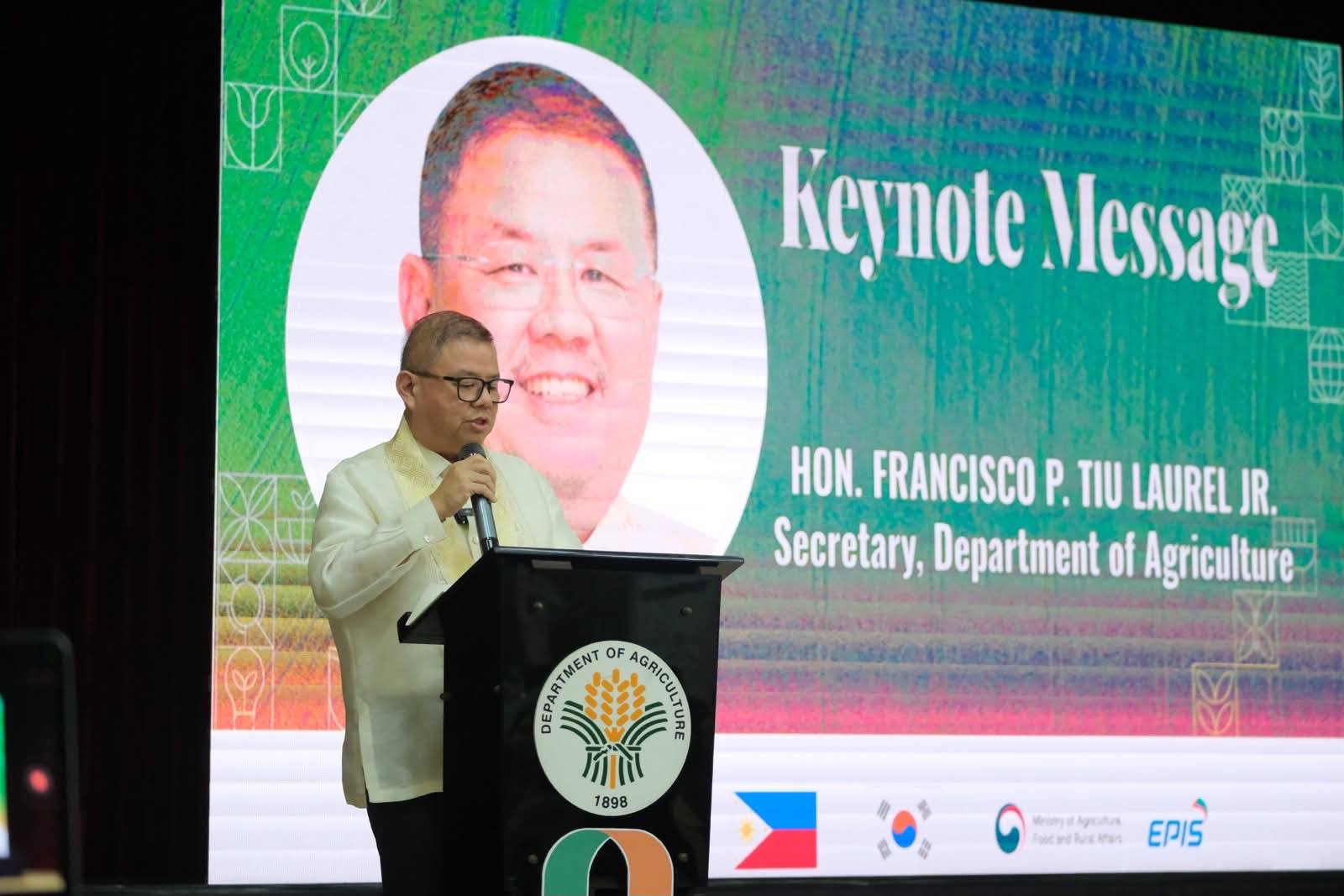
The Department of Agriculture (DA) has clarified that a plan to allow up to 250,000 metric tons of imported frozen fish will only take effect during the country’s closed fishing season, which typically runs from November to January depending on the region. Agriculture Secretary Francisco Tiu Laurel Jr. emphasized that this condition is vital to prevent imported stock from driving down prices for local fishers while ensuring market stability during off-peak harvesting periods and potential supply shocks from El Niño.
This targeted approach highlights a significant policy shift toward balancing consumer affordability with domestic producer protection. Rather than flooding the market year-round, the government is using imports strictly as a strategic buffer. Under the guidelines, 10,000 metric tons are reserved directly for government-run Kadiwa rolling stores to aid vulnerable consumers, while the remaining volume is split between commercial importers and fishing cooperatives, complete with performance-based incentives to promote efficiency.
By tying import timing directly to regional fishing bans and climate disruptions, the policy safeguards the livelihoods of local fishing communities while preventing seafood shortages in wet markets and restaurants. Ultimately, the measure establishes a dynamic safety net that maintains steady food supplies across the Philippines without sacrificing the economic well-being of its domestic fisheries sector.