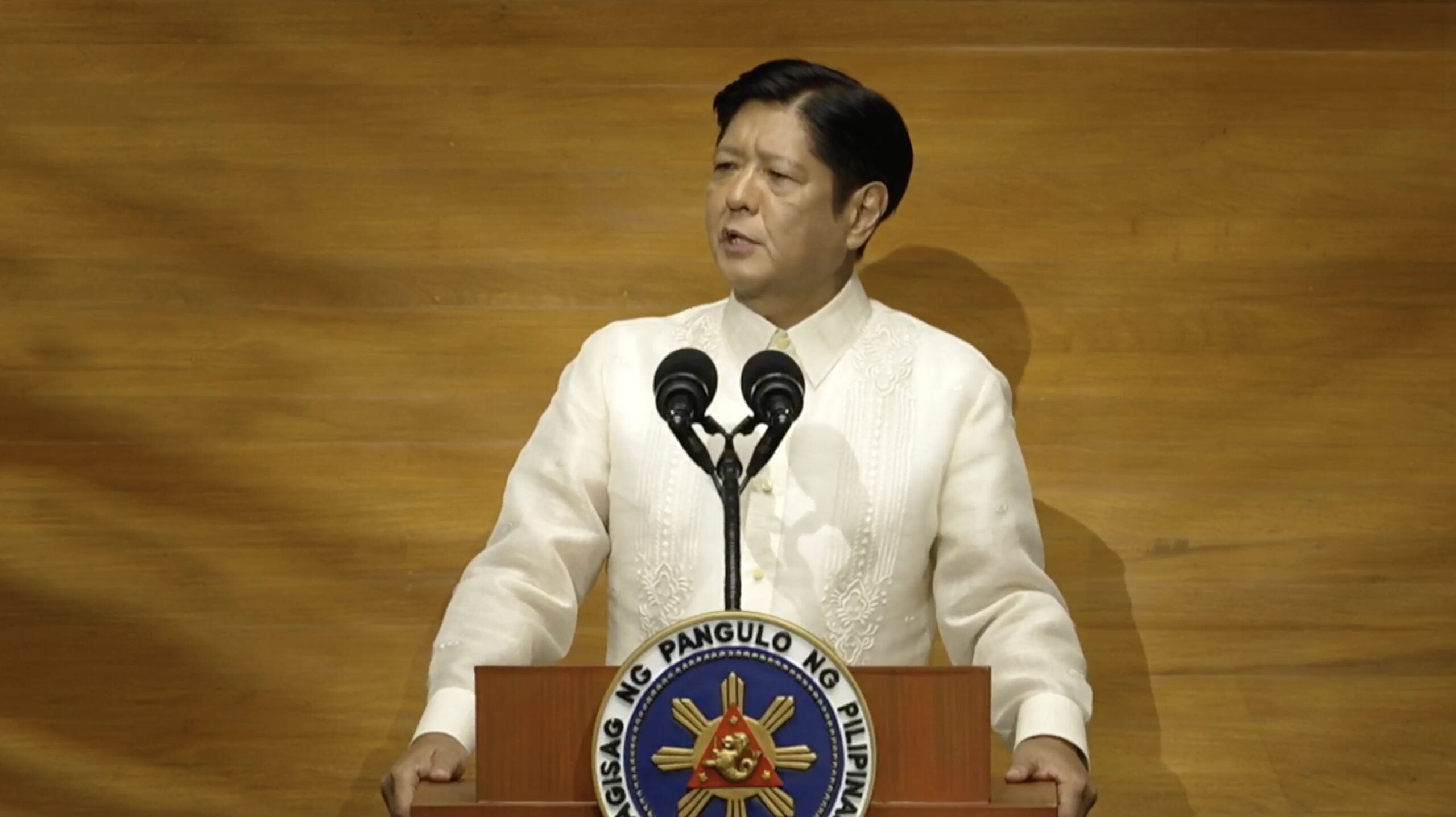
The Federation of Philippine Industries (FPI) is urging President Ferdinand R. Marcos Jr. to use his upcoming State of the Nation Address (SONA) to accelerate economic reforms, arguing that the country’s recent elevation to upper middle-income status should mark the beginning, not the culmination, of its competitiveness drive.
The country’s largest manufacturing group said lower business costs, faster policy execution, and stronger governance will determine whether the Philippines can translate its improved economic standing into higher investments and industrial growth.
FPI Chairperson Elizabeth H. Lee said the administration has laid important groundwork for industrial transformation, but manufacturers continue to face structural costs that erode their competitiveness against regional peers.
Foremost among those is electricity.
“Cutting power costs is a key factor to putting Philippine manufacturing on equal footing across ASEAN,” Lee said, noting that high electricity prices continue to weigh heavily on energy-intensive industries such as steel, cement, chemicals, and food processing.
The group also called for lower logistics costs by easing port congestion, eliminating overlapping local government fees, and improving supply chain efficiency through the continued rollout of the Build Better More infrastructure program.
Beyond physical infrastructure, FPI said policy consistency has become equally important.
It urged the government to ensure the swift implementation of flagship investment initiatives, including Tatak Pinoy, the 2026 Strategic Investment Priority Plan (SIPP), and CREATE MORE, saying predictable execution across national agencies and local governments would strengthen investor confidence and reinforce the “Made in the Philippines” brand.
The federation also pressed for faster digitalization of government services, arguing that integrated e-governance platforms would shorten permit processing, simplify regulatory compliance, and reduce the cost of doing business.
Lee likewise underscored the importance of sustaining the administration’s anti-corruption campaign and supporting Bureau of Customs efforts to curb illicit trade, which continues to disadvantage legitimate manufacturers.
“Clean governance is not just ethics—it’s economics. It lowers risk, attracts capital, and powers industry growth,” she said.
With global manufacturers reassessing supply chains and investment destinations, FPI said the Philippines has an opportunity to attract more production. Realizing that potential, however, will depend less on new policy announcements than on lowering business costs and consistently delivering reforms already on the books.