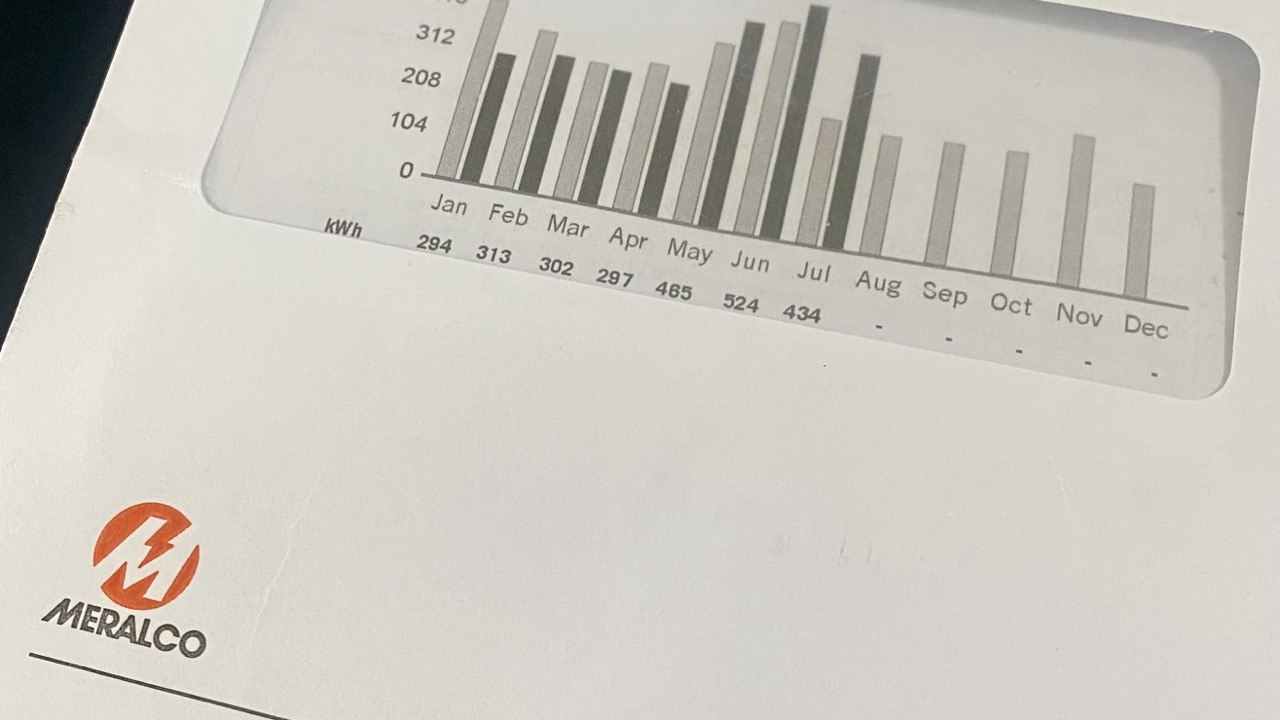
Manila Electric Co. (Meralco) said the recent increase in electricity bills was driven primarily by higher generation charges, pointing to soaring global fuel prices, a weaker peso, and the country’s reliance on natural gas to maintain grid stability rather than any increase in its own distribution rates.
The country’s largest power distributor said the higher generation costs stem from factors beyond its control, including heightened geopolitical tensions in the Middle East that have pushed up international fuel prices and the depreciation of the peso, both of which have raised the cost of producing electricity.
Adding to the pressure is the Philippines’ energy transition strategy. Meralco sources around 50 percent to 60 percent of its electricity from natural gas-fired power plants, a cleaner but generally more expensive fuel than coal.
The Department of Energy has also directed the utility to continue sourcing electricity from First Gas Sta. Rita to safeguard the reliability of the Luzon grid.
Without those contracts, Meralco warned, the country’s largest power grid could face supply shortages and prolonged outages, highlighting the delicate balance between keeping electricity flowing and keeping power affordable.
“Meralco is the only distribution utility sourcing a substantial portion of its power requirements from natural gas-fired plants to ensure grid security,” Senior Vice President and Head of Regulatory Management Jose Ronald V. Valles said.
The utility stressed that all of its power supply agreements, except for the First Gas Sta. Rita contract, underwent competitive bidding and were subsequently approved by the Energy Regulatory Commission (ERC), which determines whether contracts comply with the Electric Power Industry Reform Act’s least-cost requirement.
Valles also noted that even after contracts take effect, the ERC continues to verify that only allowable generation costs are passed on to consumers.
Meralco added that while generation charges have risen, its own distribution charges have fallen by 18 percent since 2014, even as food prices, transport costs, and minimum wages in Metro Manila have steadily increased over the same period.
The latest rate adjustment underscores a broader challenge confronting the Philippine power sector. As the country pursues cleaner energy sources, consumers are increasingly exposed to volatile global fuel markets, making energy security and electricity affordability an increasingly difficult balancing act.