The US is reviewing new Philippine safeguards against forced-labor imports as negotiations continue over Washington’s 12.5-percent tariff, while the Department of Trade and Industry said only about 30 percent of Philippine exports to the US are covered by the levy.
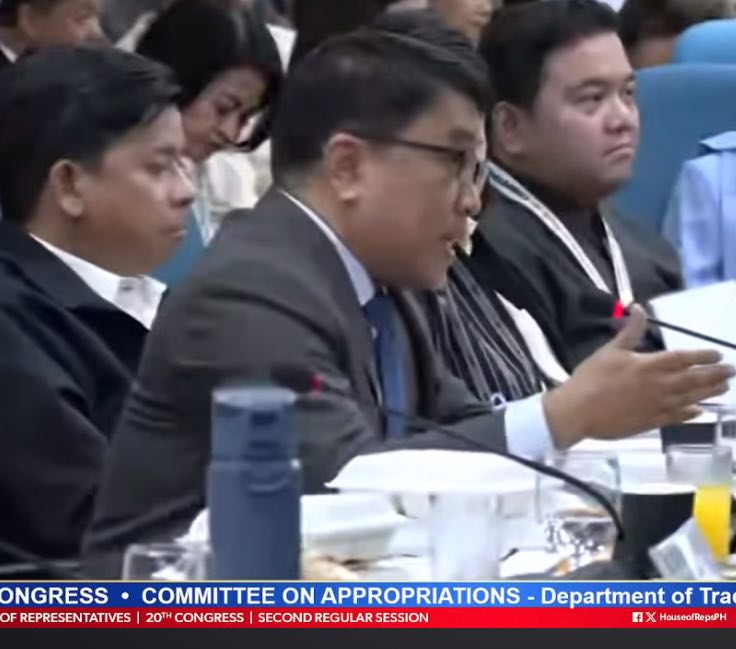
DTI Undersecretary Allan Gepty said the Philippines has issued a joint administrative order institutionalizing a mechanism to address US concerns over goods made with forced labor, a key issue in Washington’s Section 301 trade action.
“The same is under evaluation now of the US, for purposes of at least compliance to their Section 301 investigation. So, negotiations are still ongoing,” Gepty told lawmakers.
He said the Philippines already has a strong legal framework against forced labor, anchored in the Constitution and existing laws and regulations.
DTI Export Marketing Bureau Director Bianca Sykimte said the 12.5-percent tariff applies to roughly 30 percent of Philippine exports to the US, with exemptions for products considered important to American industries or those that cannot be sufficiently sourced domestically.
Among the affected products are electrical machinery and equipment, machinery and mechanical appliances, precision, optical and medical instruments, as well as labor-intensive goods including leather and travel products, apparel, footwear, and toys.
Specific electronics, automotive and aircraft parts, agricultural goods, and mineral products are exempt from the tariff, Sykimte said.
The US is among the Philippines’ biggest export markets, making the outcome of Washington’s review and the ongoing tariff negotiations significant for manufacturers and exporters exposed to the new trade measures.
The talks could determine how Philippine exporters navigate both tariff costs and tougher labor-related requirements in one of the country’s most important overseas markets.