A University of the Philippines study is urging the government to consider using the Maharlika Investment Fund (MIF) to finance a dedicated semiconductor development fund that could help the Philippines move into higher-value segments of the global chip industry.
The discussion paper by the UP Center for Integrative and Development Studies (UP CIDS) said government-backed financing could help overcome investment and technology gaps that have kept the country largely focused on semiconductor assembly, testing, and packaging.
The proposed fund could provide equity investments, matching grants, concessional financing, and research and development subsidies for strategic semiconductor projects. Funding could be tied to technology transfer, workforce upgrading, development of local suppliers, and patent generation.
UP CIDS identified the MIF as one potential source of capital, alongside other government resources.
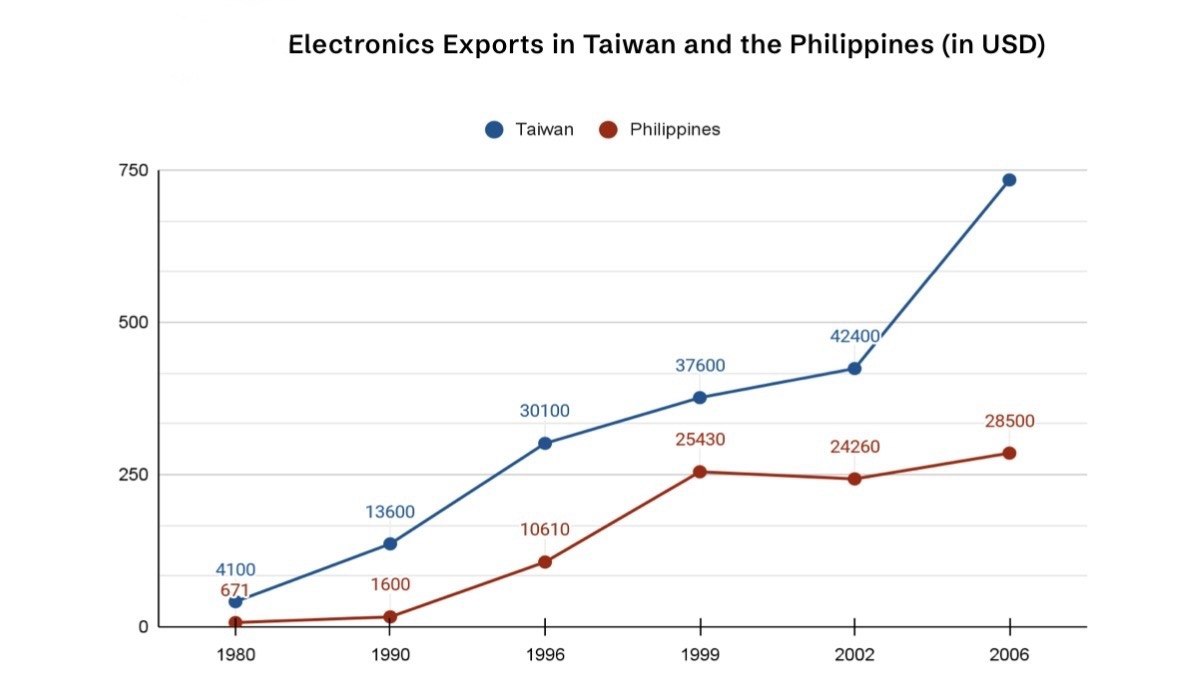
The study pointed to the contrasting trajectories of the Philippines and Taiwan, which both entered semiconductor assembly in the late 1960s. Taiwan eventually developed capabilities in integrated circuit design, wafer fabrication, and advanced packaging, while the Philippines remained concentrated in lower-value assembly activities and has yet to establish domestic wafer fabrication capacity.
The gap is reflected in export revenues. Philippine semiconductor exports reached about USD 27.4 billion in 2023, compared with roughly USD 231 billion for Taiwan, the study said.
UP CIDS said the Philippines needs a stronger industrial policy, increased research and development spending, deeper university-industry collaboration, and more deliberate technology transfer to climb the semiconductor value chain.
The country should also leverage its strategic geopolitical position to attract semiconductor investments and secure access to commercially viable wafer fabrication technologies, it said.
The recommendations come as governments globally seek to strengthen semiconductor supply chains and attract investments in increasingly strategic chip technologies. For the Philippines, the study suggests that the next challenge is not simply producing more chips, but capturing more of the value created by them.