The Department of Trade and Industry (DTI) is targeting the settlement of outstanding incentives under the Comprehensive Automotive Resurgence Strategy (CARS) program within the year before fully rolling out a new generation of automotive incentives, including the Electric Vehicle Incentive Strategy (EVIS).
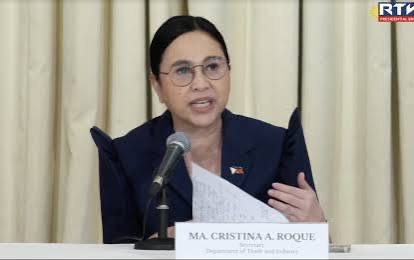
Trade Secretary Cristina Roque said clearing the government’s obligations to participating automakers and parts manufacturers would strengthen its position in attracting fresh investments into Philippine vehicle manufacturing.
“It’s actually better for us” to settle the arrears first, Roque told reporters, adding that payments should be completed “within the year.”
More than P4 billion sourced from savings in the Department of Public Works and Highways’ 2025 budget will be used to settle CARS obligations, Roque said.
The payments will cover incentives owed to participating automakers Toyota Motor Philippines and Mitsubishi Motors Philippines, as well as local parts manufacturers supporting the program’s supply chain.
The move comes as the government prepares to shift toward incentives designed to support newer automotive technologies and deepen local manufacturing.
Roque said the DTI is putting the final touches on the new automotive program, which could be released within the next month. Toyota has already expressed interest in enrolling its Tamaraw model under the new scheme.
The EVIS, which President Ferdinand Marcos Jr. has announced as part of the government’s push to develop the electric vehicle industry, is also moving forward, with the DTI already accepting expressions of interest and applications.
The government’s sequencing of the programs reflects an effort to close the books on earlier commitments before opening a new incentive window for automotive investments.
For the industry, settling CARS obligations could help restore confidence in the government’s ability to deliver promised incentives, particularly as manufacturers weigh the costs of expanding production and local supply chains.
At the same time, the EVIS is expected to provide a fresh policy framework as the Philippines seeks to attract investments in electric vehicles and related components.
Roque said the government wants to honor existing commitments while creating room for the next wave of automotive investments, effectively clearing the old lane before opening a new one for the industry.