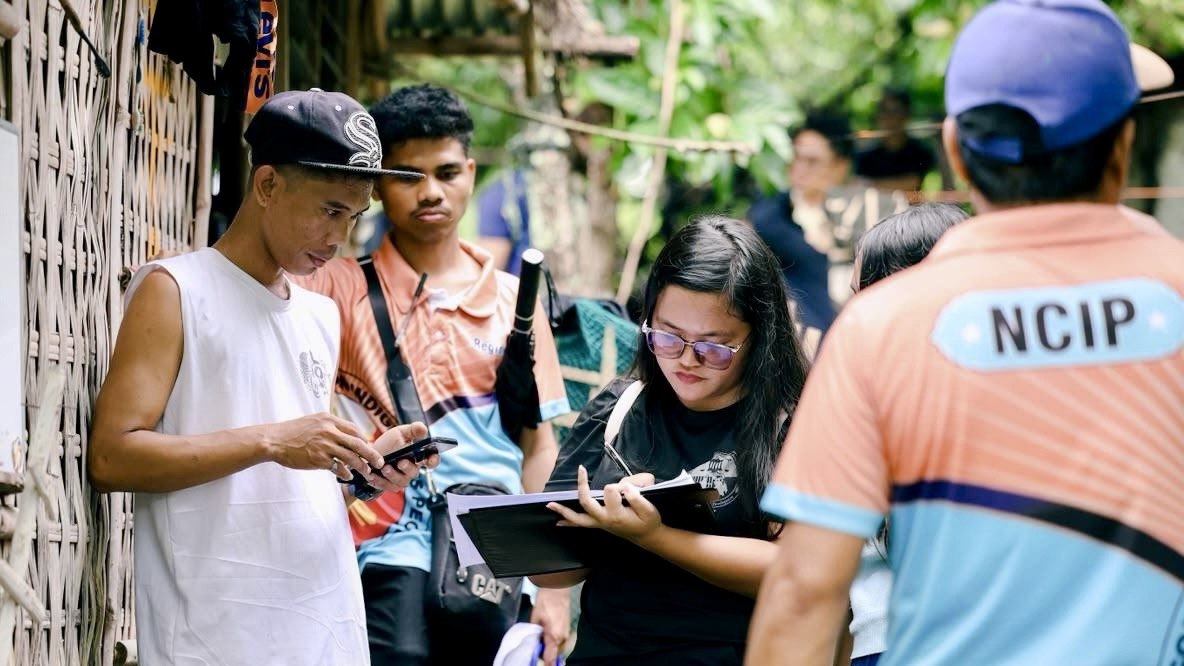
The Bases Conversion and Development Authority (BCDA) has started validating families and residents who could be affected by the proposed Clark Advanced Manufacturing Park (CAMP) in New Clark City, laying the groundwork for safeguards and assistance as the industrial project moves forward.
BCDA, together with the National Commission on Indigenous Peoples (NCIP), is updating the census of residents in Sitio Sapang Kawayan in Capas, Tarlac to establish an accurate community baseline before further development of the proposed manufacturing park.
The exercise does not necessarily mean residents will be relocated. Rather, the validation will establish who is in the area and potentially affected, giving the government a clearer basis for determining appropriate assistance, protection measures, and other support as the project develops.
The broader process will include identification and validation of residents, joint surveys and documentation, a review of existing agreements, and the eventual processing and release of appropriate assistance.
“By validating our community baseline early on alongside the NCIP, we want to assure the community that every family receives the exact support, protection, and opportunities they deserve as this vision comes to life,” BCDA President and CEO Joshua M. Bingcang said.
The census is being led by NCIP Secretary Nancy Catamco and BCDA Officer-in-Charge Senior Vice President Mark Torres.
BCDA has also been consulting Tarlac officials, community representatives, clergy, academe, and other stakeholders as it develops CAMP.
The validation comes as the government seeks to position New Clark City as a major hub for advanced manufacturing and other high-value industries. Establishing a clear picture of communities in potentially affected areas is therefore an important step in balancing industrial development with safeguards for residents.
BCDA said it would continue working with the NCIP, local governments, and community elders to address concerns and put safeguards in place alongside CAMP’s development.
For BCDA, the exercise is more than a headcount. It is an early test of whether a major industrial project can expand while giving communities a clear place in the development process.