
Before horsepower became a figure on a vehicle specification sheet, it meant exactly what it said: a horse pulling a carriage.
For Almazora Motors Corp., that was business more than a century ago. Today, the fourth-generation family enterprise is helping bring Philippine public transportation into the modern era, proving that while the ride may change, the business of moving people endures.
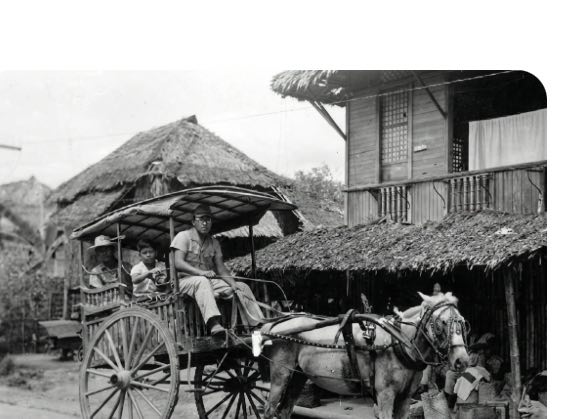
“We started with caritela. One horsepower. Literally. But we’ve never made a horse. The horse has always been our partner,” said Conrad Almazora, the company’s executive vice president, with a reminder that even the oldest transport traditions have always depended on partnerships.
Its latest collaboration is with Toyota Motor Philippines, manufacturing the Tamaraw Class 1 modern public utility vehicle (PUV). For Almazora, it represents another turn in a long road from carriage body-building to producing buses, ambulances, fire trucks and modern jeepneys.
The journey has not been entirely nostalgic. After entering the Class 2 modern jeepney segment before the pandemic, the company is now investing in dedicated facilities and approximately P5.5 million in initial tooling for the Tamaraw project, excluding land, buildings and equipment.
The business case is practical. More efficient vehicles, lower fuel consumption and less downtime could help transport operators improve profitability—an important consideration in an industry where every day off the road can mean income lost.
“There’s always going to be a demand for public transport. This is the very, very basic form of transport,” Almazora said.
The company estimates a potential market of 150,000 Class 1 vehicles within the roughly 300,000 jeepneys expected to require replacement over time. That is a substantial opportunity, though converting demand into actual purchases will depend on operators’ ability to finance modernization.
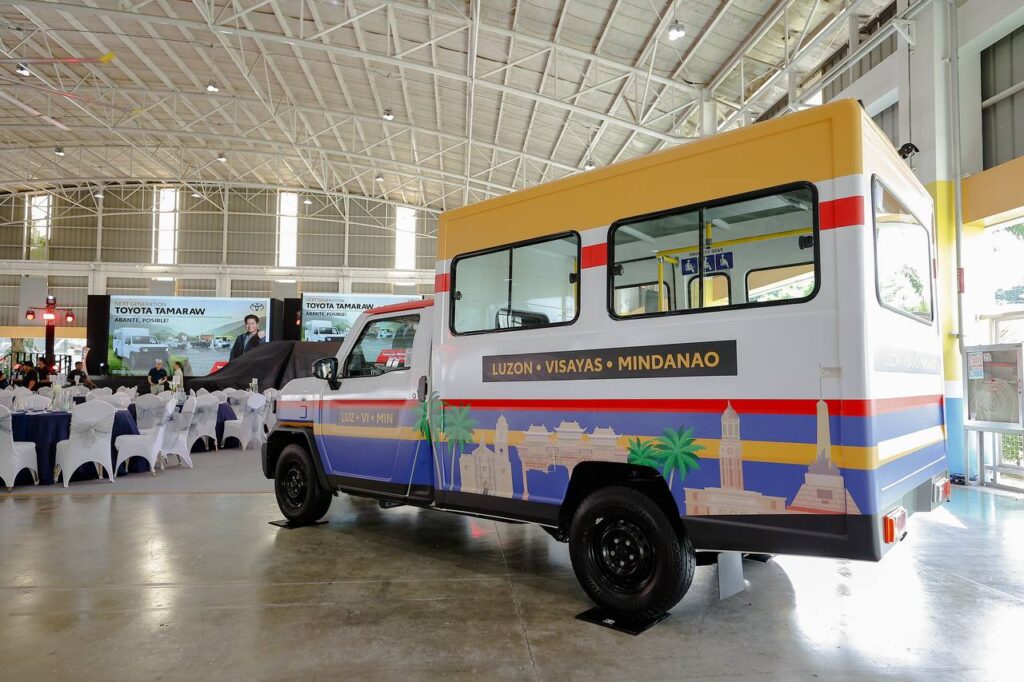
The Almazora Group now runs six assembly plants and two stamping plants, mainly in Cavite and Laguna, employs about 600 workers and has monthly production capacity of 300 units. Its experience also includes electric tricycle development with Japanese partners.
From caritela to cleaner, more efficient mobility, Almazora’s journey is less about leaving the past behind than giving it new wheels.
“We want to be able to come up with better vehicles for the riding public,” Almazora said. The horsepower has changed. The mission, apparently, has not. (Irma Isip)