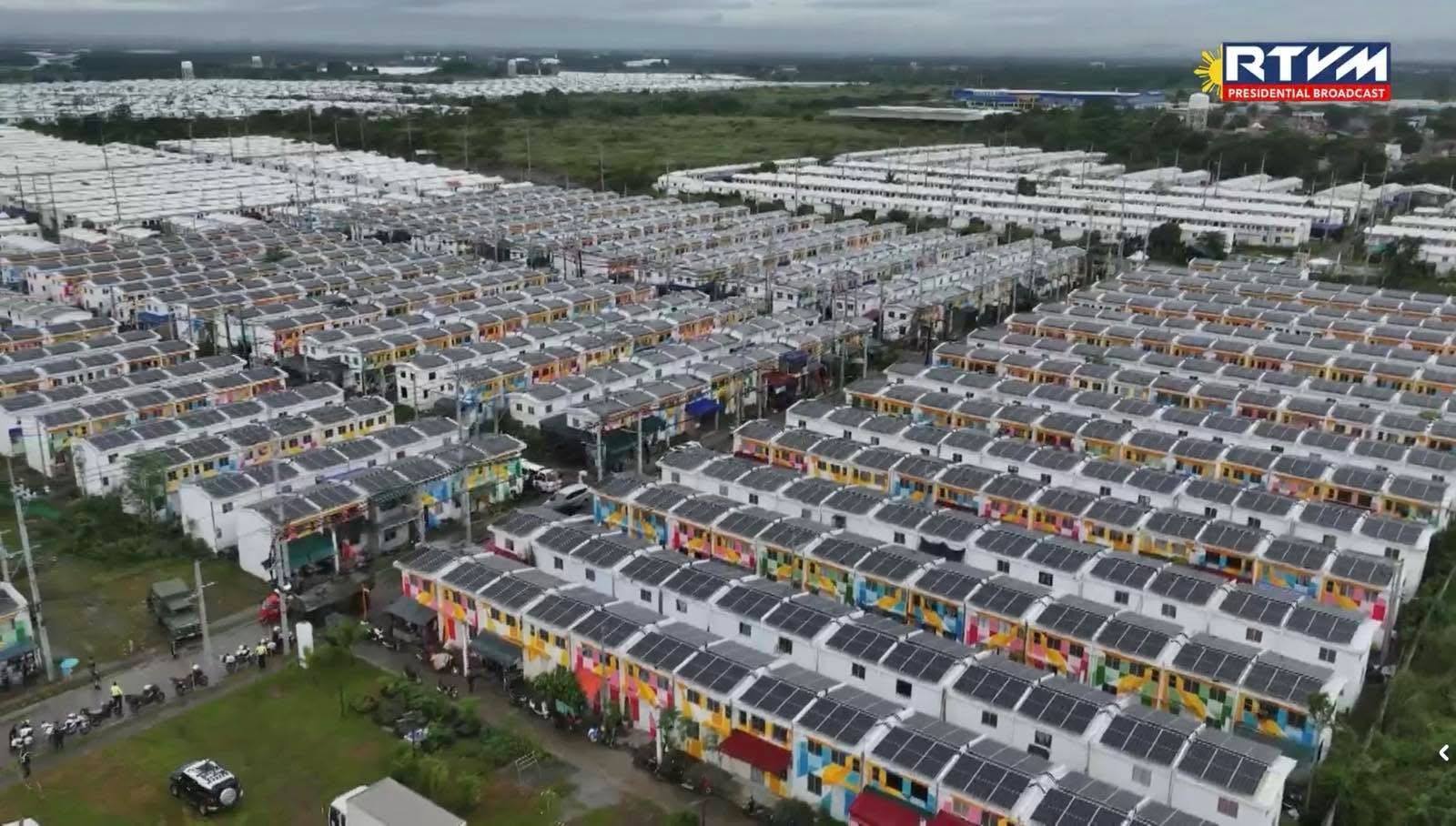
The Philippines’ housing shortage is growing faster than builders can catch up.
Data from the Department of Human Settlements and Urban Development show the national housing backlog reached 10.65 million units in 2024, highlighting decades of unmet demand that continue to weigh on affordability and urban planning.
Roy Golez, director for research, consultancy, and valuation at Leechiu Property Consultants, said government targets, while ambitious, remain insufficient once population growth is considered.
Housing production is projected to average 1.4 million units annually from 2025 to 2030, then rise to about 1.6 million units a year from 2031 to 2040, for a total of roughly 16 million homes.
“That output is largely meant to erase the backlog,” Golez said. “There is still the need to meet new demand every year.”
Data from the University of Asia and the Pacific show the number of new households grew by an average of 478,000 annually between 2018 and 2024. Over the same period, private developers delivered only about 128,000 units a year, leaving an annual deficit of roughly 350,000 homes even before accounting for the existing shortage.
To narrow the gap, government and industry players are rolling out targeted measures. Pag-IBIG Fund has cut interest rates for socialized housing loans to as low as 3 percent, while the DHSUD is expanding pro-poor, incremental housing under the Pambansang Pabahay para sa Pilipino program.
Developers and housing groups have also pledged support. Industry associations have committed to building more than 250,000 socialized housing units over the next three years, alongside targeted programs from institutions such as the Government Service Insurance System.
For buyers, Golez said opportunities exist through government financing agencies now offering lower-rate loans nationwide today.