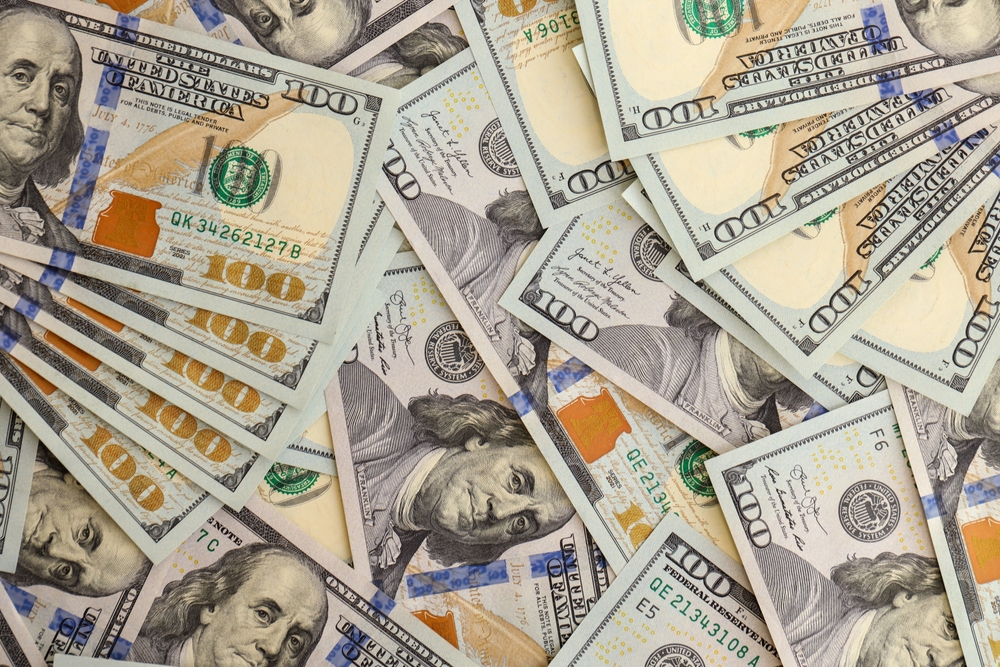
The country’s gross international reserves (GIR) climbed to a record $112.7 billion as of end-February 2026, according to preliminary Bangko Sentral ng Pilipinas data, providing the country with a strong buffer against external economic shocks.
At this level, the reserves are enough to cover 7.5 months of imports of goods and payments for services and primary income. Economists generally consider reserves adequate if they can cover at least three months of imports, meaning the Philippines currently holds more than double the conventional safety threshold.
The reserve stock is also equivalent to 4.2 times the country’s short-term external debt based on residual maturity, indicating that the Philippines has ample foreign currency resources to meet near-term external debt obligations.
Gross international reserves consist of foreign-denominated securities, foreign exchange holdings, gold, and other reserve assets held by the central bank. These assets serve as a financial safeguard that allows a country to pay for imports, service foreign debt, and help stabilize the domestic currency during periods of global financial volatility.
A strong reserve position also ensures the country has access to foreign exchange to meet balance-of-payments financing needs, particularly in extreme situations when export earnings or external borrowing may temporarily decline.
Short-term external debt based on residual maturity includes loans originally due within one year as well as principal payments on medium- and long-term foreign loans that fall due within the next 12 months. Analysts typically view reserves as adequate if they at least match the amount of short-term external debt coming due over that period.
With reserves more than four times larger than these obligations, the Philippines maintains a comfortable external liquidity position that supports investor confidence and financial stability.