Travel companies across Southeast Asia are bracing for a softer second quarter in 2026, but Philippine firms appear less downbeat than their regional peers, according to findings shared by the Philippine Tour Operators Association (PHILTOA).
A March 25 study, ASEANTA Report: Middle East Conflict Impact on Southeast Asia Travel by the ASEAN Tourism Association, found that 48 percent of respondents expect business prospects to deteriorate versus expectations at the start of the year.
Sentiment diverged sharply across markets. Around 90 percent of Thai and 87 percent of Singaporean firms said prospects would be the same or worse—well above Malaysia (71 percent), Indonesia (68 percent), and the Philippines (64 percent), suggesting comparatively stronger confidence among Philippine operators.
Even so, industry-wide pressures persist. About 72 percent of businesses reported cancellations or postponements for Middle East travel, while 70 percent cited similar disruptions to Europe, largely due to reliance on Middle Eastern transit hubs. Inbound travel has also been hit, with 62 percent reporting disruptions from the Middle East and 67 percent from Europe.
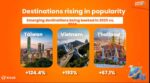
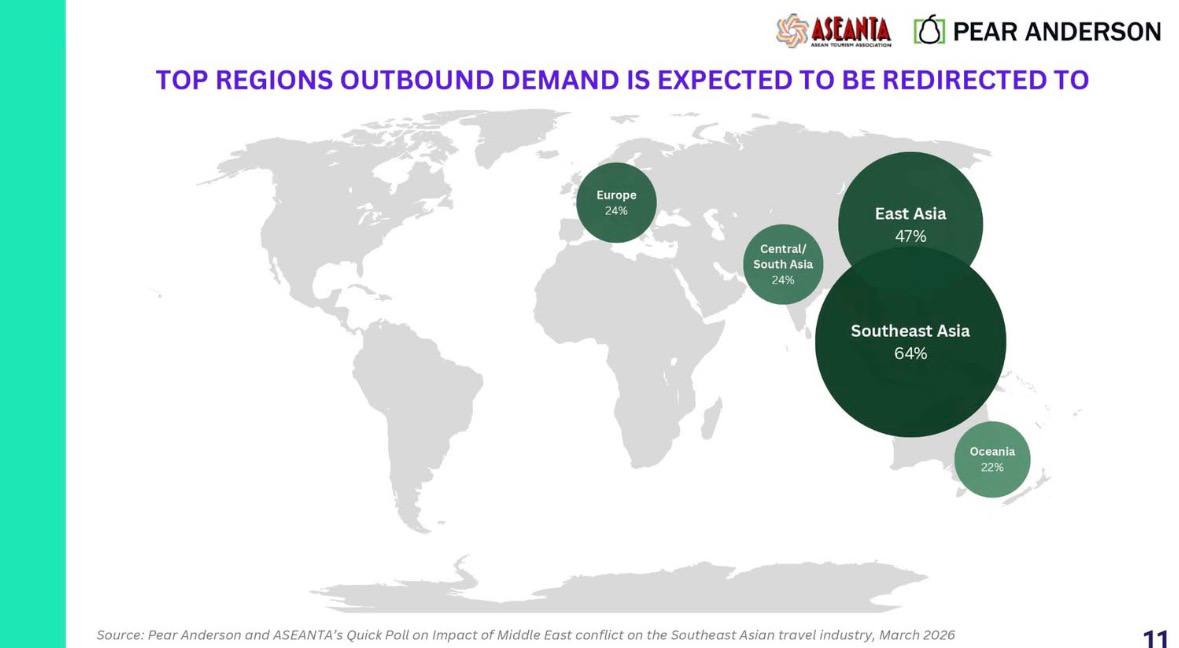
Flight disruptions, airspace closures, and rising fuel costs emerged as key concerns, prompting a structural shift in demand. Around 64 percent of respondents expect travelers to pivot toward intra-ASEAN destinations, while 24 percent still see Europe as a preferred option despite ongoing constraints.
PHILTOA said the findings offer guidance for strengthening business continuity strategies and reaffirmed its commitment to working closely with regional partners.
The report recommends accelerating intra-ASEAN initiatives, including multi-destination packages and regional travel passes, while positioning Southeast Asia as a safe and affordable alternative for global travelers.