The Board of Investments (BOI) is stepping up efforts to position the Philippines as a regional offshore wind hub, banking on a P1.185-trillion pipeline of projects to attract fresh investments, deepen the renewable energy supply chain and accelerate the country’s shift toward cleaner power.
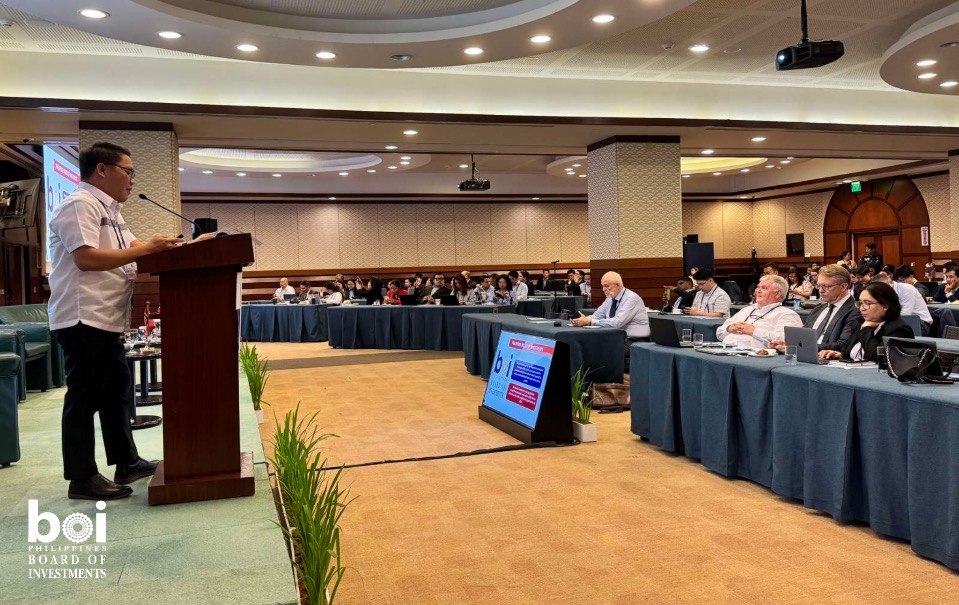
Speaking at the Asia Clean Energy Forum 2026 at the Asian Development Bank headquarters, BOI Acting Director Francis M. Peñaflor said the agency has registered 11 offshore wind projects with a combined capacity of 5,800 megawatts, underscoring the sector’s emergence as one of the country’s largest investment opportunities.
“Our goal is to position the Philippines as a competitive regional hub for offshore wind supply chain activities,” Peñaflor said, adding that the projects are expected to catalyze not only new power generation but also manufacturing, logistics and other industries supporting offshore wind development.
The sizeable investment pipeline reflects growing international interest in the Philippines’ renewable energy sector, with a significant number of projects backed by foreign developers. Beyond expanding electricity capacity, the investments are expected to generate foreign direct investment, facilitate technology transfer, create skilled jobs and integrate local firms into global clean energy value chains.
The BOI has identified offshore wind and related manufacturing and support services as priority sectors under the 2026 Strategic Investments Priority Plan. Developers also stand to benefit from fiscal incentives under the Renewable Energy Act and CREATE MORE, alongside faster permitting through the government’s Green Lane program for strategic investments.
The agency’s push comes as the Philippines seeks to unlock its vast offshore wind potential to diversify its energy mix, enhance long-term energy security and reduce dependence on imported fossil fuels. At the same time, expanding the domestic supply chain could allow the country to capture more of the economic value generated by the emerging industry instead of relying heavily on imported equipment and services.
Peñaflor said building a strong offshore wind ecosystem forms part of the government’s broader industrial decarbonization strategy, which aims to sustain economic growth while advancing the country’s climate and clean energy goals.