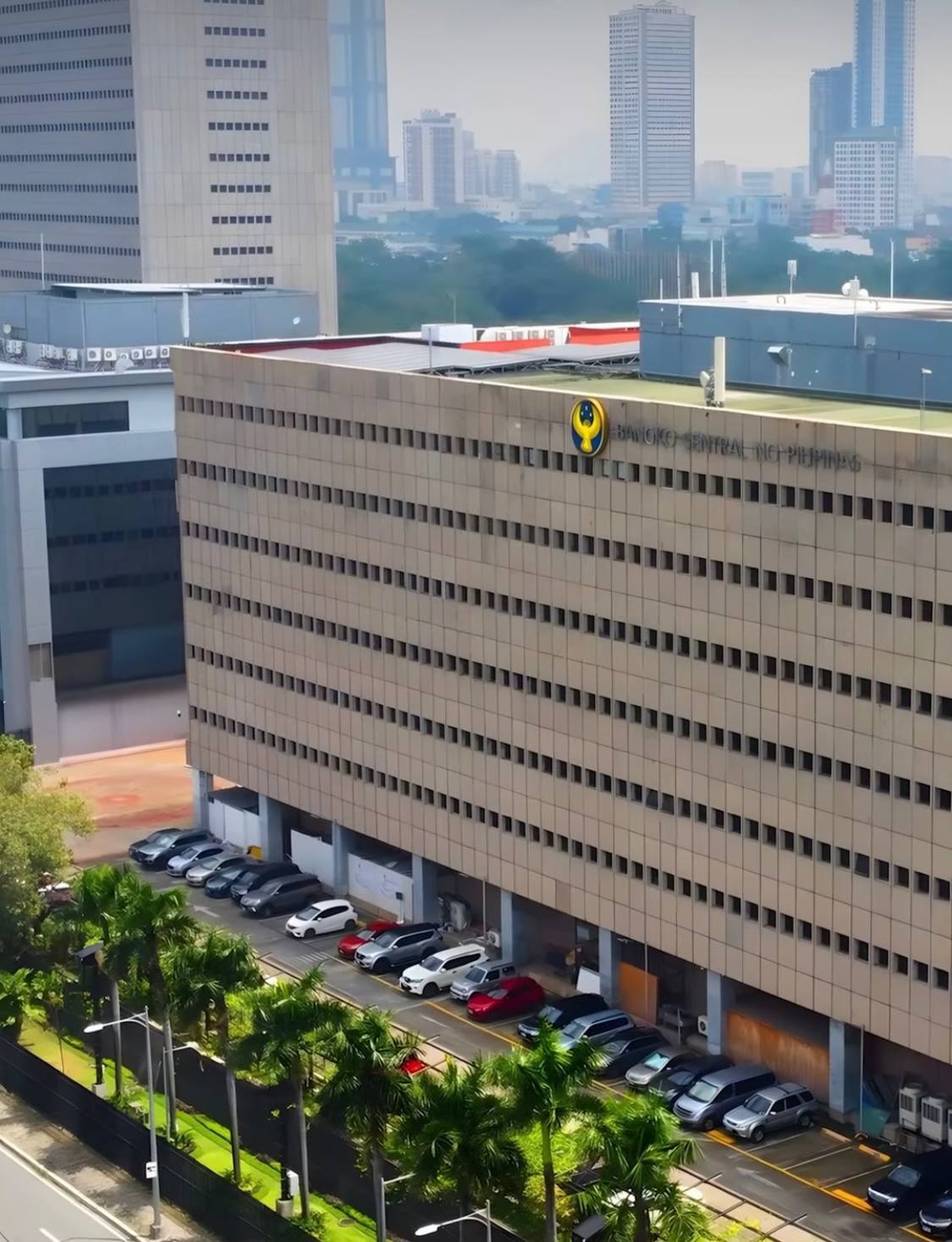
The Bangko Sentral ng Pilipinas (BSP) on Friday reports that consumer confidence declined substantially in the second quarter of 2026, while business sentiment improved in May, reflecting differing expectations amid global and domestic economic conditions.
Based on the Quarterly Consumer Expectations Survey (CES) conducted from April 6 to 18, 2026, the overall consumer confidence index (CI) dropped across all time horizons. The current quarter index fell from -15.8 percent in Q1 2026 to -42 percent in Q2, while the next quarter reading declined from 1.8 percent to -16.3 percent. The 12-month outlook also weakened, moving from 9.6 percent to just 0.2 percent. A negative index indicates more respondents hold pessimistic views about the economy, family finances and income.
Consumers cited expectations of higher food and fuel prices due to tensions in the Middle East as the main concern. They also anticipated rising unemployment, a weaker Philippine peso and elevated inflation that slightly exceeded the BSP’s 3 percent target but stayed within the 4 percent tolerance limit. Governance issues further weighed on sentiment. As a result, households plan to increase spending on essentials but reduce outlays for big-ticket items such as vehicles and real estate, while also lowering planned savings and borrowing.
In contrast, the monthly Business Expectations Survey (BES) for May 2026 showed an improvement in corporate sentiment, conducted from May 5 to 31. The overall business CI rose from -35.8 percent in April to -25.2 percent for the current period, while the three-month outlook improved from -7.5 percent to 0.6 percent and the 12-month forecast increased from 19.5 percent to 27.8 percent.
Businesses are optimistic that consumer spending will recover to support earnings, and expect fuel prices to stabilize and Middle East tensions to ease over time. Firms also plan to hire more workers as activity is projected to expand, though plans for business expansion projects softened amid ongoing uncertainty. On the price front, businesses foresee inflation remaining above the BSP’s 4 percent tolerance ceiling over the next year.
The BSP stated it is closely monitoring the impact of regional tensions on domestic prices and expectations. The shift to monthly BES data since January 2026 allows the central bank to obtain timelier insights to guide monetary policy decisions.