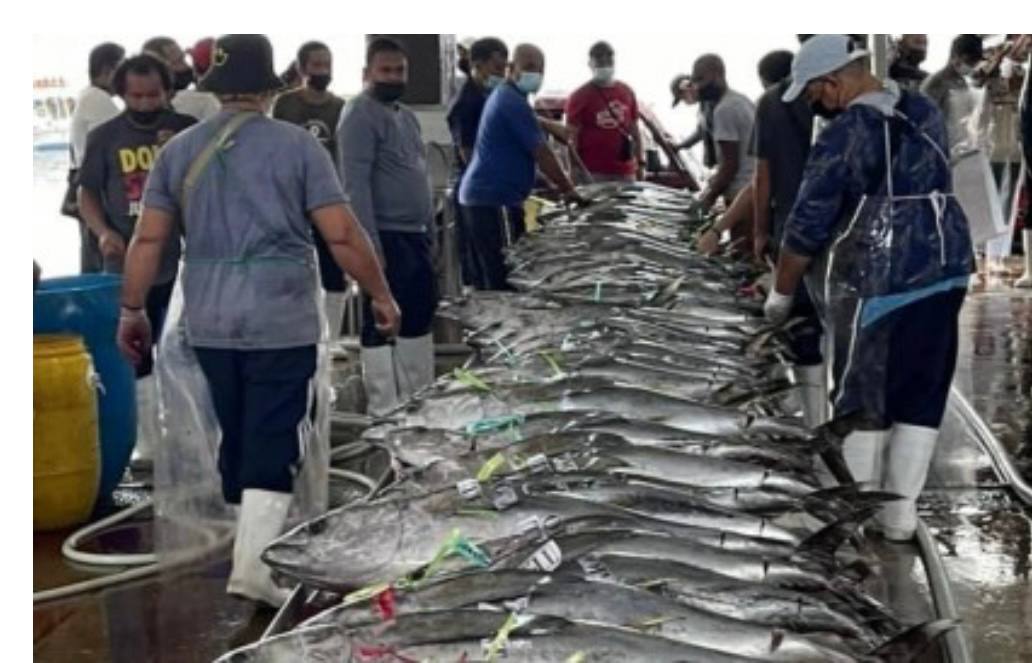
The Bureau of Fisheries and Aquatic Resources (BFAR) is prioritizing climate-resilient and energy-efficient initiatives this year to secure the long-term future of the country’s fisheries sector and support local fisherfolk.
BFAR national director Elizer Salilig noted that rising climate impacts, habitat loss, shifting global standards, and growing food demand require proactive, innovative action rather than crisis response.
Early results show significant gains: the agency’s Tanay, Rizal technology station cut electricity use by 60–70 percent after switching to solar power. This model is now being rolled out to all BFAR hatcheries and seven National Technology Centers. Additional projects include solar-powered water facilities and hybrid solar ice plants, which reduce fish spoilage especially in coastal areas without steady grid power.
To ease cost pressures from volatile energy prices, BFAR has also fast-tracked its fuel subsidy program, releasing ₱3,000 each to over 96,000 small-scale fishers — 65.7 percent of its target as of June 2026.
Efforts cover the entire supply chain: distribution of quality fish seeds and resilient species such as crayfish and native ulang, operation of 12 culture labs and 68 nurseries under the Seaweed Industry Roadmap 2027–2031, plus fiberglass boat provision and new landing centers to cut post-harvest losses and raise incomes. A new marine stewardship program has also been launched this year to strengthen enforcement against illegal fishing and protect aquatic resources.