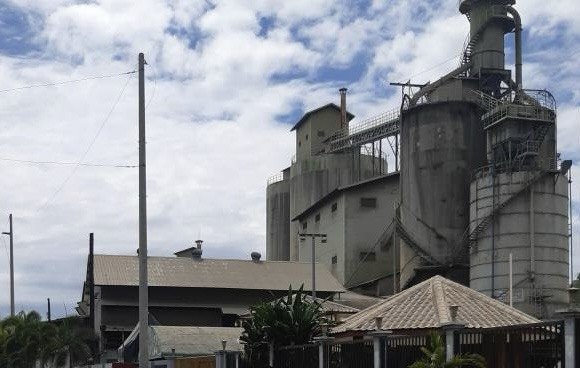
The government is sharpening its industrial policy for the cement sector, extending fiscal incentives to integrated cement projects while encouraging manufacturers to produce more clinker locally to reduce import dependence and strengthen the domestic supply chain.
Under the 2026 Strategic Investment Priority Plan (SIPP), the Board of Investments (BOI) retained cement manufacturing as a preferred investment activity under Tier I, recognizing its vital role in infrastructure development, industrialization and job creation.
The updated policy offers the strongest incentives to integrated cement facilities that include clinker production, the most critical and capital-intensive stage of cement manufacturing.
Stand-alone cement grinding plants without clinkering facilities may still qualify for incentives, but their Income Tax Holiday will be limited to two years, signaling the government’s preference for investments that create greater domestic value.
The policy shift comes as the Philippines continues to accelerate infrastructure spending while seeking to lessen its reliance on imported clinker, a key raw material whose global supply and prices remain vulnerable to external disruptions.
Beyond expanding local production, the 2026 SIPP also encourages cement manufacturers to invest in cleaner technologies through support for circular economy initiatives, Extended Producer Responsibility programs and other decarbonization measures.
The BOI said it is working with development partners and industry stakeholders to advance the sector’s long-term sustainability agenda.
Separately, the Cement Manufacturers Association of the Philippines welcomed the Bureau of Customs’ stronger revenue performance, noting that the agency exceeded its June 2026 collection target and posted a surplus for the first half of the year.
The industry group also credited Customs Commissioner Ariel Nepomuceno for reforms that have improved efficiency, transparency and accountability, saying these initiatives have strengthened confidence among legitimate businesses and created a more predictable environment for trade and investment.
Taken together, the investment incentives and customs reforms signal a broader government effort to strengthen the country’s manufacturing base, deepen local production and build more resilient supply chains as infrastructure demand continues to expand.