The Philippines has become the first Southeast Asian economy to be featured in the World Intellectual Property Organization’s (WIPO) Intangible Investment Highlights 2026, underscoring the country’s growing shift toward an innovation-driven economy built on technology, software, brands, data, and intellectual property.
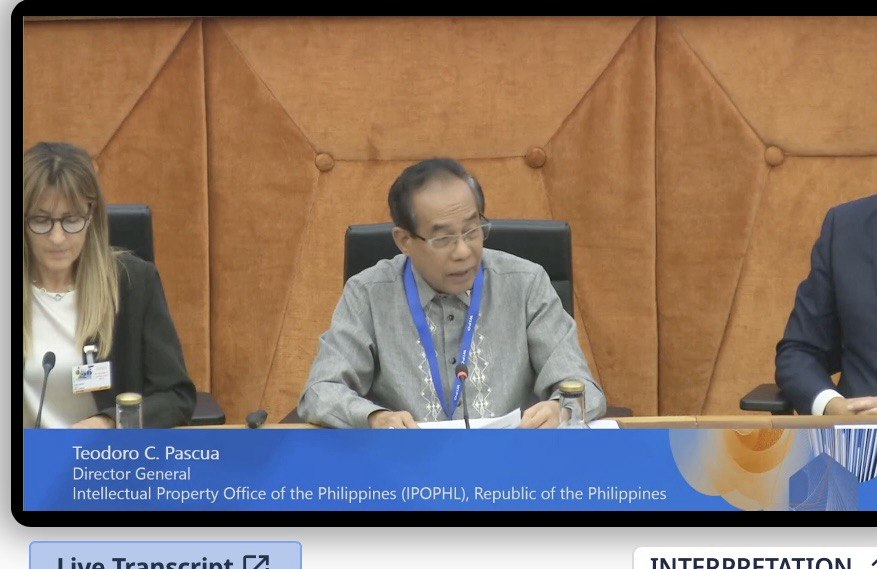
Intellectual Property Office of the Philippines (IPOPHL) Director General Teodoro Pascua said the country’s inclusion reflects increasing global recognition of its investments in intangible assets, which are becoming key drivers of productivity, competitiveness, and long-term economic growth.
“We are particularly honored that the Philippines is the first country in the Asian region to be featured in this important global publication,” Pascua said. “This inclusion provides valuable evidence of the Philippines’ progress in building a modern, innovation-driven economy.”
The report estimated Philippine intangible investments at US$49.1 billion in 2022, up 4.6 percent from the previous year, with a 10-year compound annual growth rate of 3.9 percent.
Intangible investment intensity reached 4.4 percent of gross domestic product in 2020, placing the country 35th globally.
Among the report’s standout findings, WIPO Assistant Director General Marco Aleman said the Philippines recorded the world’s fastest growth in software and data investments, expanding by more than 80 percent annually over the past decade.
“This confirms a long structural shift,” Aleman said.
The findings suggest the Philippine economy is steadily moving beyond traditional investment drivers toward knowledge-based industries where digital technologies, innovation, and intellectual property create greater value.
Such investments are increasingly viewed as essential to attracting higher-value industries, strengthening business competitiveness, and improving productivity.
Pascua said the report provides policymakers with a valuable benchmark as the country enters upper middle-income status, helping guide efforts to strengthen innovation, research, and intellectual property policies.
He added that deeper collaboration among government, industry, and academia will be critical to sustaining innovation-led growth and positioning the Philippines as a more competitive player in the global digital economy.