The Department of Finance (DOF) has assured local government units (LGUs) that the Real Property Valuation and Assessment Reform Act (RPVARA) will not automatically increase property taxes, seeking to dispel concerns that the landmark reform could burden taxpayers and undermine local fiscal autonomy.
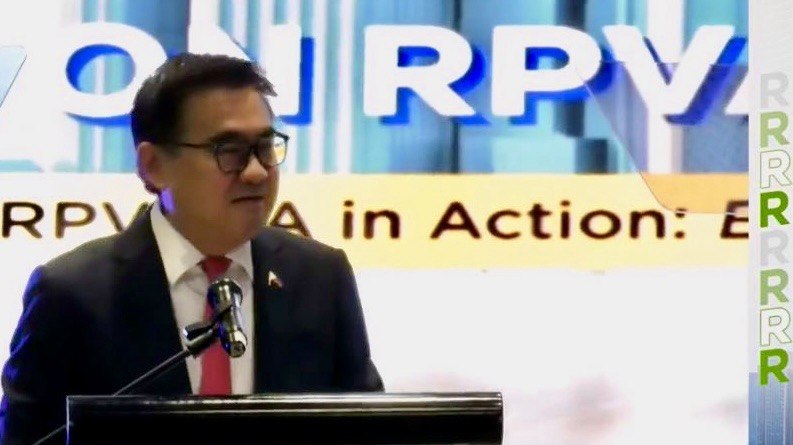
Speaking at the Bureau of Local Government Finance’s National Executive Forum on RPVARA, Finance Secretary Frederick D. Go emphasized that the law modernizes the country’s property valuation system but leaves decisions on tax rates and assessment levels entirely in the hands of local governments.
“RPVARA does not mean an increase in Real Property Tax,” Go said, explaining that the law simply updates property values to reflect current market conditions while allowing LGUs to determine through local ordinances how those values translate into actual tax obligations.
Go said many governors and mayors have raised concerns over the reform, largely due to the misconception that higher market values automatically result in higher tax bills. He stressed that LGUs remain free to reduce assessment levels, lower tax rates, or adjust both to keep property taxes unchanged if they deem it appropriate.
To further ease concerns, the finance chief pointed to a built-in safeguard under the law that caps any increase in real property tax, including special levies, at a maximum of six percent during the first year of implementation in 2028.
Beyond correcting outdated property valuations, the reform aims to establish a transparent, standardized, and market-based valuation system that supports better fiscal planning and more efficient land administration.
The updated framework is also expected to improve the investment climate by providing more credible and predictable property values, reducing uncertainty in real estate transactions, infrastructure development, and business expansion decisions.
Go said the DOF and the Bureau of Local Government Finance will provide technical, institutional, and financial support to help LGUs implement the reform.
By emphasizing flexibility rather than higher taxation, the government hopes RPVARA will strengthen local revenues, improve governance, and boost investor confidence without eroding the fiscal independence that local governments retain under the law.