The government is setting a more ambitious investment agenda with the upcoming Strategic Investment Priority Plan (SIPP), targeting P4.5 trillion in investment approvals over the next three years as it seeks to accelerate industrialization and help the Board of Investments (BOI) achieve its P1-trillion approval goal for 2026.
BOI Managing Head and Trade Undersecretary Ceferino Rodolfo said the new SIPP is designed to attract an average of P1.5 trillion in investments annually, exceeding the pace achieved under the previous investment roadmap.
“In terms of the investment target for this SIPP, it’s P4.5 trillion,” Rodolfo said during a media briefing, adding that the amount translates to roughly P1.5 trillion a year throughout the plan’s three-year implementation.
The new target tops the P3.38 trillion in investment approvals generated under the previous SIPP, signaling the government’s intention to attract larger and more sophisticated projects as competition for global capital intensifies.
Rodolfo said the plan would also provide a crucial boost to the BOI’s own investment approval target of P1 trillion this year.
“This will be instrumental in hitting, at least for the BOI, our target of P1 trillion for the year,” he said, noting that the agency is still consolidating first-half approval figures.
Unlike earlier investment roadmaps that were heavily anchored on traditional sectors, the new SIPP places greater emphasis on science, technology and innovation-driven industries while maintaining strong incentives for renewable energy, advanced manufacturing, logistics and strategic infrastructure.
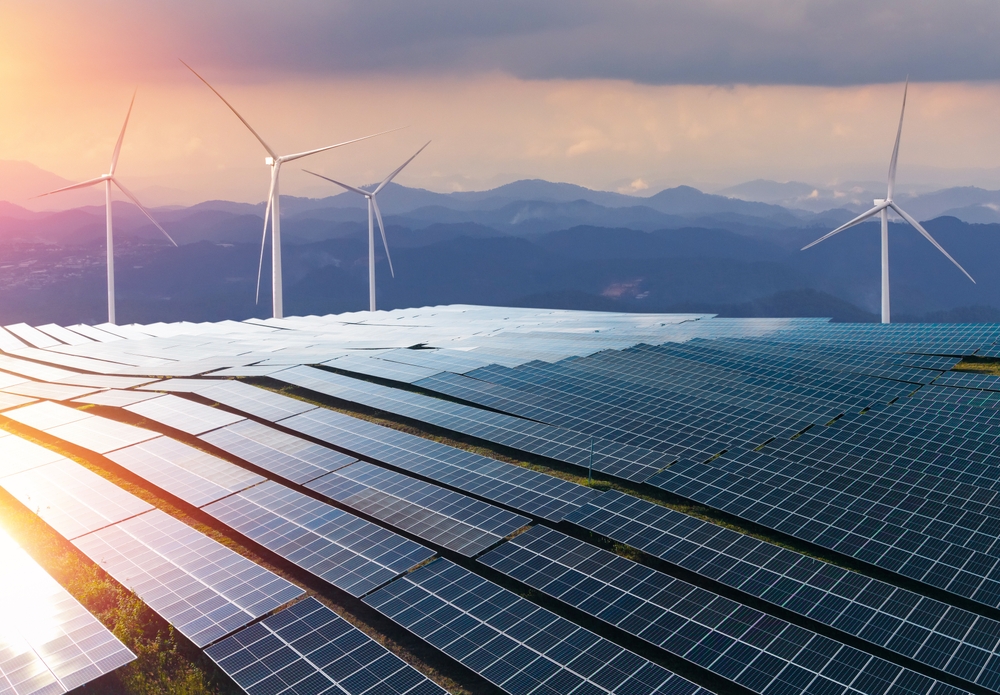
Renewable energy is expected to remain the largest source of approved investments, with major hydropower, offshore wind and solar projects still in the pipeline.
At the same time, the government expects the SIPP to diversify investment inflows by drawing more export-oriented and technology-intensive ventures, particularly within the Luzon Economic Corridor, strengthening the country’s long-term industrial competitiveness rather than relying solely on capital-heavy energy projects.