Philippine financial markets are entering a pivotal week as investors weigh a heavy lineup of economic data, corporate earnings, and global developments that could shape sentiment and expectations for monetary policy.
Market participants are closely watching July inflation and second-quarter gross domestic product (GDP) data for signals on the Bangko Sentral ng Pilipinas’ (BSP) next move on interest rates. Analysts said the figures will be crucial in determining whether inflation pressures and growth momentum will support a higher-for-longer rate environment.
Brokerage firm 2TradeAsia said investors are expected to remain selective as they assess corporate earnings and economic indicators. The firm warned that stronger-than-expected inflation or weaker GDP growth could weigh on equity sentiment, while advising investors to favor sectors that can perform well despite elevated borrowing costs.
It recommended caution on policy-sensitive power utilities as the market awaits clarity on proposed systems loss reforms, while maintaining a preference for banks that could benefit from sustained higher interest rates.
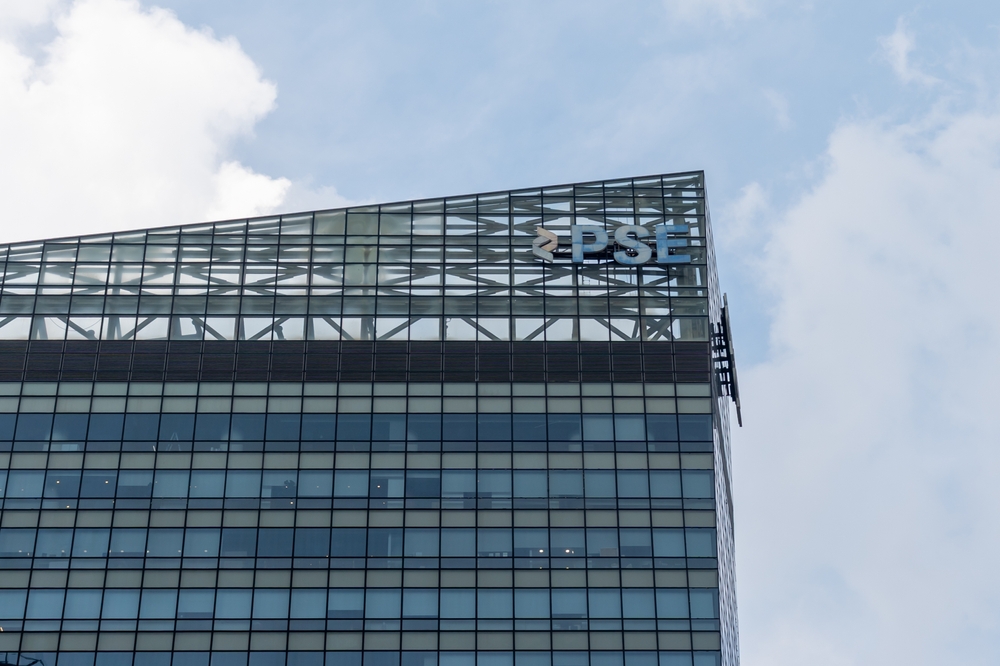
Rizal Commercial Banking Corp. chief economist Michael Ricafort said the market outlook remains cautiously constructive after the Philippine Stock Exchange index (PSEi) gained 3.3 percent in July, marking its second consecutive monthly advance.
Ricafort said sentiment could improve further if progress emerges toward a lasting US-Iran peace agreement and as the Philippines prepares to join JPMorgan’s Emerging Market Local Bond Index in January 2027, a move expected to support foreign investment flows.
He placed immediate support for the PSEi within the 6,000 to 6,200 range, with major support at 6,040 to 6,130. Resistance is seen around the 6,300 psychological level and 6,340 to 6,375, with a possible retest of the July 21 high of 6,488.35.
On the currency front, Ricafort said the peso is likely to remain relatively stable in the near term, supported by possible BSP intervention and expectations of another policy rate hike at its Aug. 27 meeting.
The peso recently traded within the P61.60 to P61.80 range against the US dollar. Ricafort said its direction will depend on global oil prices, Middle East developments, and key Philippine economic releases, including inflation, employment, and GDP data.
With markets balancing domestic recovery prospects and global uncertainties, investors are expected to remain focused on companies with strong fundamentals and sectors capable of navigating a higher-rate environment.