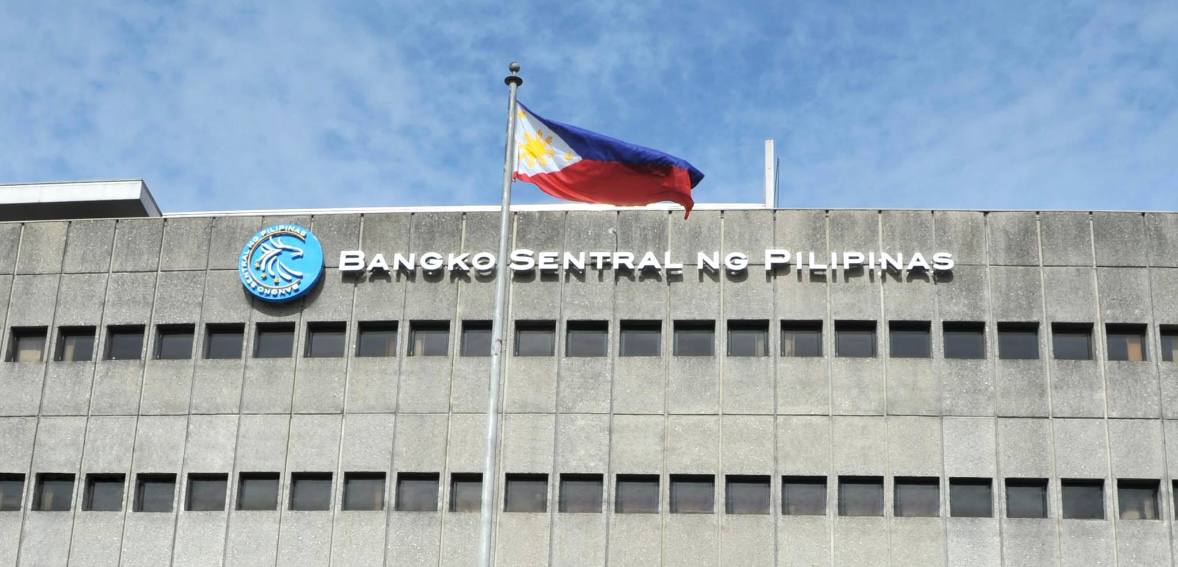
The Bangko Sentral ng Pilipinas (BSP) faces an intricate policy dilemma as the economy slows down sharply. Second-quarter GDP growth cooled to 2.3 percent year-on-year—down from 2.8 percent in the first quarter and well below the 5.4 percent mark recorded a year prior—placing the central bank in the difficult position of managing persistent price pressures while avoiding a deeper domestic downturn.
The central bank finds itself caught between two compelling objectives: fighting persistent supply-side inflation and supporting a rapidly decelerating real economy. Geopolitical tensions driving fuel costs higher, sharply rising fertilizer prices, and potential agricultural disruptions threaten to keep food and energy inflation elevated, creating a strong argument for raising the policy rate further to keep inflation expectations anchored. However, raising rates when the economy is already losing momentum risks compounding the existing drag on domestic demand. With gross fixed capital formation already contracting by 13.7 percent and total construction down 14.8 percent, higher borrowing costs make capital allocation even more restrictive for private firms and developers. If the BSP tightens aggressively to tame price spikes, it risks deepening the contraction in investment spending and dampening household demand further. Conversely, if it pauses or eases to preserve output, unanchored inflation could erode purchasing power and undermine real growth.
The real-world consequences of this macroeconomic environment and monetary uncertainty are already visible across the private sector and daily life.
For businesses, elevated inflation and borrowing costs are forcing a freeze on capital expenditure. Companies are deferring long-term investments, with steep declines in spending on transport equipment (-28.4 percent) and construction machinery (-42.7 percent) demonstrating that firms are delaying vehicle renewals and machinery upgrades to preserve cash flow. Challenges in real estate, marked by excess inventory and developer caution, are compounded by high interest rates, slowing new project launches and commercial developments. Over time, this prolonged underinvestment reduces the capital stock, threatening long-term operational efficiency and potentially lowering the nation’s future productive capacity.
Households are similarly feeling the strain as elevated prices for food and fuel force families to redirect their budgets toward basic necessities. While overall household consumption managed a modest 2.8 percent expansion, discretionary categories are experiencing a clear pullback. Expenditures on recreation and culture have fallen, restaurant and hotel spending contracted (-0.2 percent) for the first time since 2021, and transport expenditures declined by 7.5 percent. Even as key export sectors like semiconductors and business process outsourcing remain resilient, high inflation and potential rate increases continue to erode household purchasing power and stretch family budgets thin.