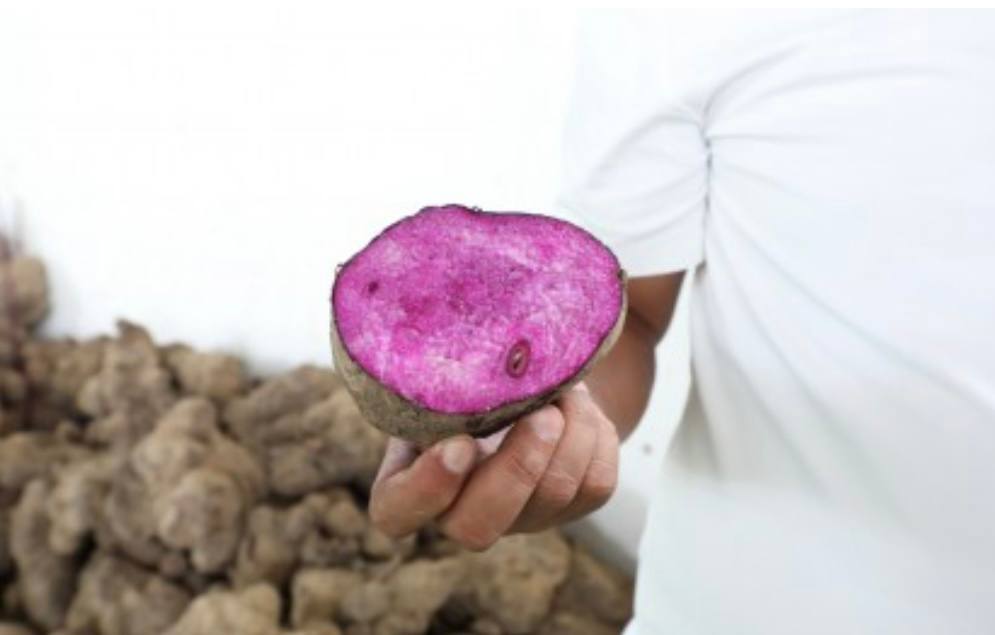
Ube has captured the world’s imagination—once a familiar backyard crop in Filipino homes, this purple yam now appears in cheesecakes in New York, croissants in Paris, and lattes in Sydney. But to turn viral popularity into lasting success, the Philippines needs more than buzz; it needs better ube. That is exactly what scientists at the University of the Philippines Los Baños (UPLB) set out to find.
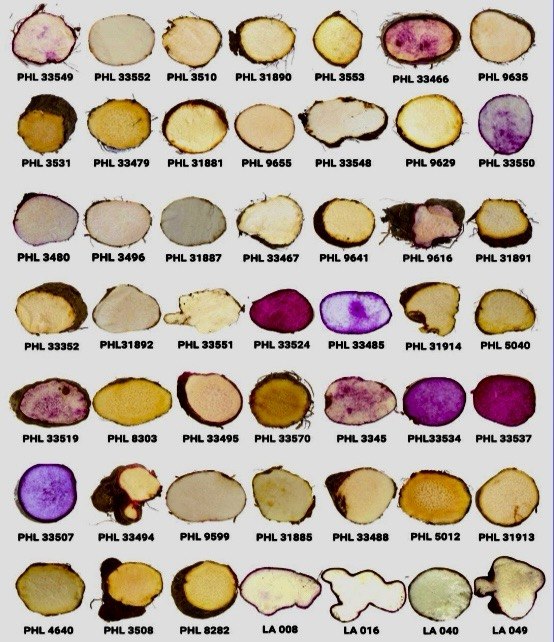
After studying 188 samples of greater yam (Dioscorea alata) collected from farms and gene banks nationwide, researchers selected 10 standout varieties with exceptional traits. Some deliver high yields, others have deeper purple flesh, richer flavor, stronger natural color, or valuable genetic qualities for breeding. While no single variety has every advantage, together they form a solid foundation for a stronger ube industry.
The study also revealed that ube is far from uniform—flesh colors range from striking purple to creamy white and even bright orange. Beneath that visible diversity lies even greater genetic variation. By analyzing thousands of genetic markers, researchers created unique DNA “fingerprints” for each variety, essentially giving every prized ube its own official identification.
This genetic mapping is key for trade. International buyers depend on consistent quality, color, and taste with every shipment. Clear identification helps farmers grow true-to-type crops and lets exporters certify exactly what they send abroad, building trust in global markets.
The research also highlighted top performers: Villasis 2 leads in yield at over 60 tons per hectare, while Kinampay remains the benchmark for flavor. Other varieties excel in aroma, color, and anthocyanin content—the natural compounds that give ube its rich hue and antioxidant benefits.
The next global ube superstar may not be a new discovery at all. It could already be growing in a backyard somewhere in the Philippines. The goal now is to ensure the best varieties reach the world, so ube stays in demand long after current food trends fade.